The Expert’s Guide to Sustainable Coffee Machines: Performance, Planet, and Your Perfect Brew
Every morning, the ritual begins: the rich aroma, the promise of a perfect cup. But as we reach for our brewers, a conscious question stirs: how can we enjoy our coffee without compromising the planet? The demand for genuinely sustainable products has never been more urgent, and our daily coffee makers are no exception. It’s no longer enough for a machine to simply brew a great cup; we now ask: what is its true impact on our environment?
This comprehensive guide is your trusted companion in navigating the world of sustainable coffee machines. We’re here to cut through the greenwash, provide data-driven insights, and empower you to make an informed decision. We’ll delve into what truly defines sustainability in brewing, analyze the environmental footprint of various methods, and offer actionable advice for selecting gear that aligns with your eco-conscious goals. You shouldn’t have to choose between exceptional coffee quality and environmental values – let’s brew a brighter, greener future, one cup at a time.
What is a Sustainable Coffee Machine?
A sustainable coffee machine is an appliance engineered to balance exceptional brewing performance with minimal environmental impact throughout its entire lifecycle, from material sourcing to end-of-life. This means prioritizing durable construction, energy efficiency, repairability, and transparent manufacturing practices over short-term convenience or disposability.
Decoding Sustainability in Coffee Machines: Beyond Marketing Claims
Navigating the landscape of “eco-friendly” claims can be challenging. To truly understand a sustainable coffee machine, we need to look past superficial marketing and delve into the tangible aspects of its design and manufacturing. Here’s what truly matters:
- Materials & Design for Longevity: The fundamental pillar of sustainability is a product built to last. We seek durable construction, often featuring robust, non-corrosive materials like stainless steel, high-quality borosilicate glass, or even bamboo accents. Minimizing single-use or non-recyclable plastics is crucial. Forward-thinking brands are innovating with recycled PC plastic and other bio-based composites, proving that performance doesn’t have to compromise the planet. A machine designed for a decade of use dramatically reduces its lifetime environmental footprint compared to one replaced every two years.
Pro Tip: Look for heavier machines. Weight often correlates with the use of more robust, long-lasting materials like metal over plastic.
- Energy Efficiency: A machine’s power consumption is a critical long-term environmental factor. While heating water is energy-intensive, design innovations can minimize this. Look for features like efficient thermoblock or boiler designs, effective insulation, rapid heat-up times, and precise temperature control. Crucially, automatic shut-off functions and low idle power consumption can significantly reduce energy waste over years of daily use.
- Repairability & Modularity: A truly sustainable product is designed to be fixed, not just replaced. This means readily available spare parts, modular components that can be individually swapped out, and clear repair guides. Brands that embrace sustainable craftsmanship often offer longer warranties and robust customer support for repairs, extending the machine’s functional lifespan. Some niche manufacturers even empower users with “modify no plastic” options, allowing for custom material upgrades in certain components.
- End-of-Life & Recyclability: Responsible design considers a product’s fate from conception. Prioritization of easily recyclable materials and brand initiatives for proper disposal or component recovery are essential. Understanding a brand’s commitment to the circular economy – from manufacturing to recycling programs – provides a comprehensive sustainability assessment.
- Brand Transparency & Certifications: Beyond the product itself, a brand’s commitment to sustainable practices throughout its operations builds trust and credibility. What to look for? Clear, publicly available information on sustainably harvested raw materials, ethical manufacturing processes, fair labor practices, and demonstrable ‘end-of-life’ initiatives. Legitimate third-party certifications (e.g., B Corp, Energy Star, Fair Trade) validate claims, differentiating genuine commitment from mere “greenwashing.”
Brewing Green: Comparing the Environmental Footprint of Different Coffee Methods
The choice of brewing method significantly impacts your daily coffee ritual’s environmental footprint. Let’s compare popular methods based on their sustainability profiles.
| Brewing Method | Initial Material Impact (Machine) | Energy Use per Brew | Waste Generated | Longevity Potential | Sustainability Score |
|---|---|---|---|---|---|
| Manual (Chemex, French Press, Pour-Over) | Low (Glass, Metal, Ceramic) | Very Low (Kettle) | Low (Filters/None) | Very High | Excellent |
| Automatic Drip Coffee Maker | Medium (Plastic, Metal, Glass) | Medium | Medium (Filters) | Medium-High | Good (with careful choice) |
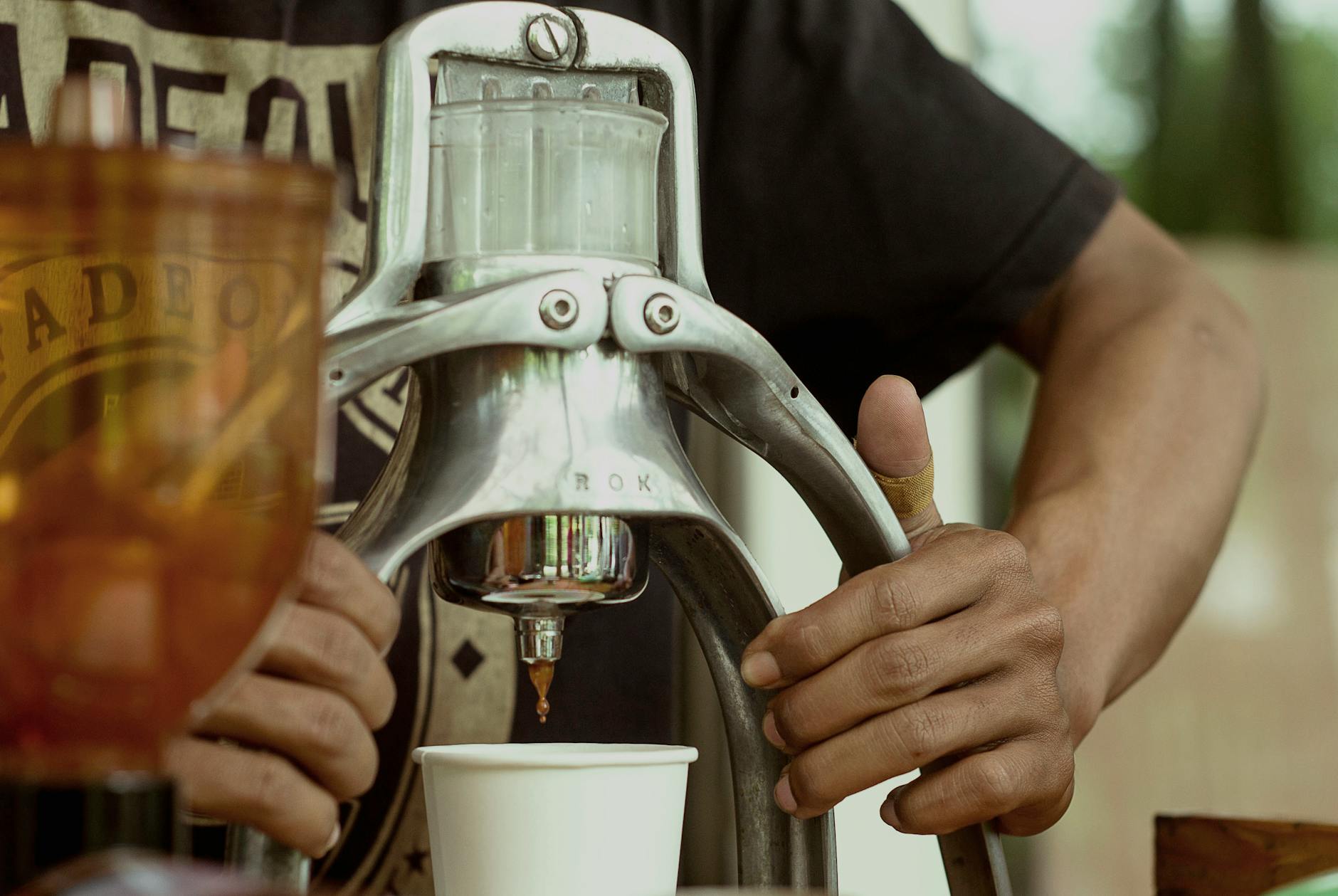
| Espresso Machine (Home) | High (Metal, Complex Electronics) | High | Low (Coffee puck) | High | Fair-Good (investment) |
| Single-Serve Brewer | Medium (Plastic, Electronics) | Medium-Low | High (Pods) | Medium | Poor-Fair (with alternatives) |
- Manual & Classic Methods (e.g., Chemex, French Press, Pour-Over): These methods represent the pinnacle of inherently low environmental impact. They require minimal to no electricity, relying on manually heated water (optimized with an efficient kettle).
- The Chemex coffee maker, with its simple borosilicate glass design and compostable unbleached paper filters, embodies ‘elegant sustainable coffee’. Its lack of electronic components ensures exceptional longevity and minimal material complexity.
- French Press machines, with their durable glass and metal construction and reusable mesh filters, produce virtually no waste beyond coffee grounds.
- Pour-Over devices (e.g., Hario V60), often made from ceramic, glass, or stainless steel, mirror the Chemex’s low energy and material footprint.
Pro Tip: For manual methods, always use an electric kettle with precise temperature control. Boiling only the exact amount of water needed is a simple, effective energy-saving habit.
- Filter Drip Coffee Makers: These offer convenience with varying environmental footprints.
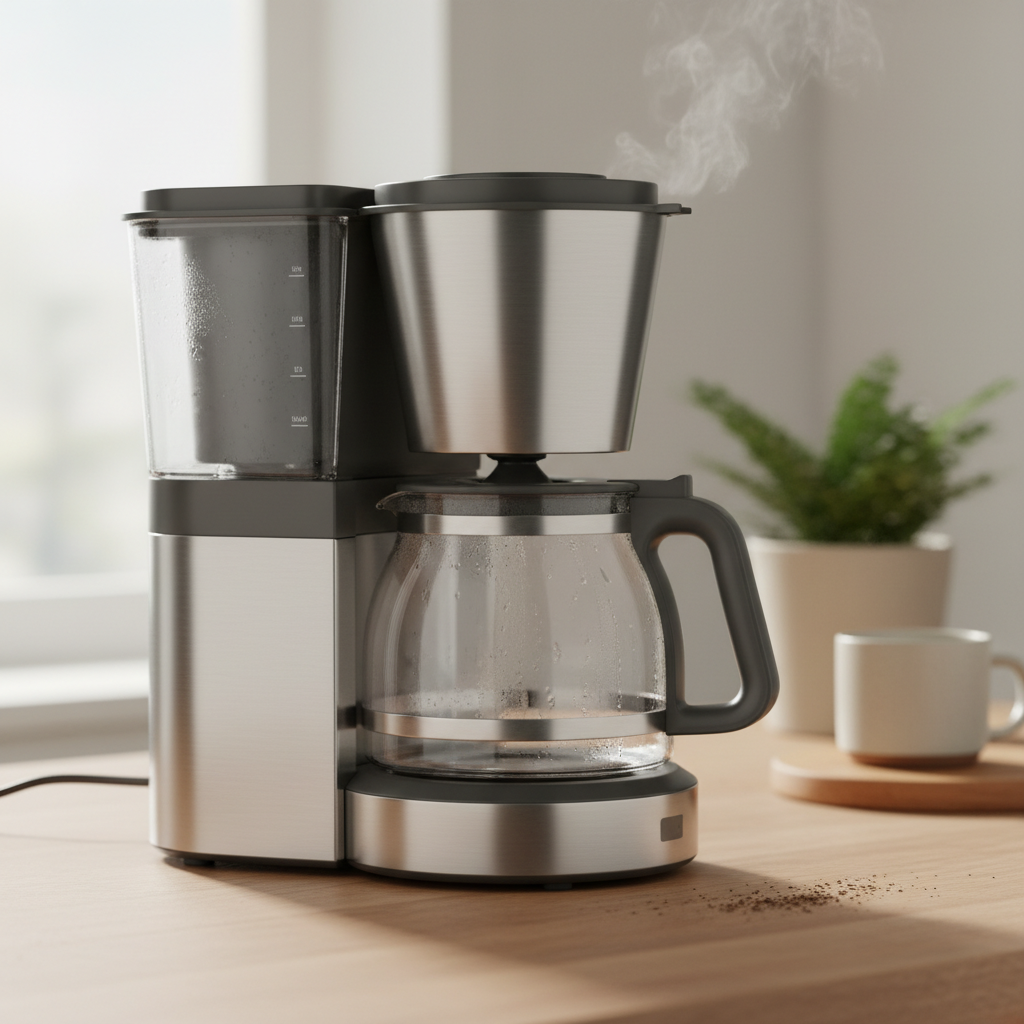
- Automatic Coffee Makers automate the process. Their sustainability hinges on energy efficiency (auto-shutoff, low idle power) and material choices. Look for models with permanent, reusable filters to eliminate paper waste. Insulated carafes keep coffee hot without continuous heating, further saving energy. Brands like the Ratio Six are lauded for their minimalist design and emphasis on durable materials with minimal plastic.
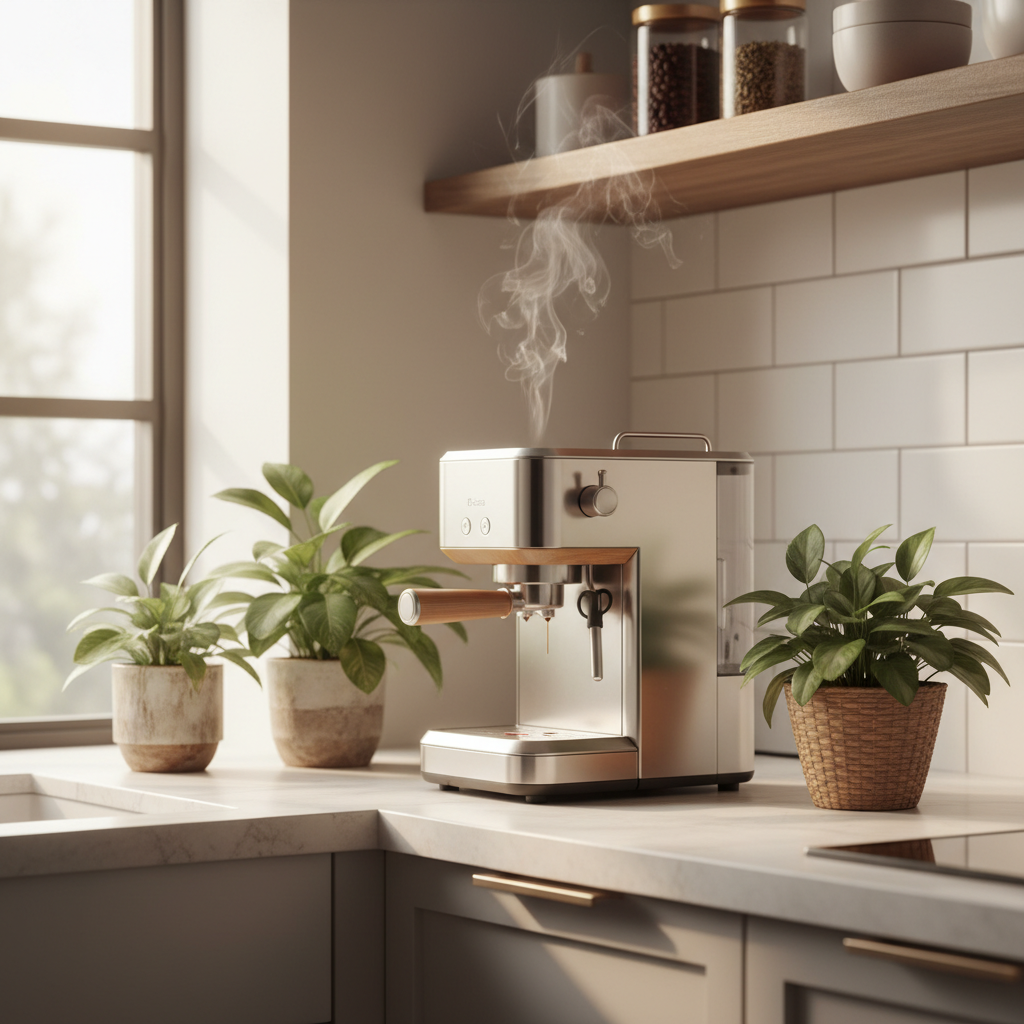
- Espresso Machines: Home espresso machines deliver barista-quality coffee but typically have a higher initial material and energy footprint due to their complexity.
- They demand significant power for rapid water heating and pressure generation. However, modern machines increasingly feature efficient boilers (e.g., PID-controlled thermoblocks) and programmable on/off times.
- Focus on machines built with sustainable craftsmanship, using durable metals like brass and stainless steel for internal components, and increasingly, outer casings made with recycled PC plastic. An investment in a high-quality, repairable machine can significantly offset its initial impact over a decade or more of use.
- Single-Serve Brewers: Navigating the ‘Pod Problem’: This category presents the most substantial environmental challenge, often termed the “environmental footprint pods” issue.
- Traditional single-serve systems, like many K-Cup or Nespresso original line machines, generate a colossal volume of plastic or aluminum pods daily, often ending up in landfills.
- However, innovation is addressing this. Solutions include compostable pods (which require industrial composting facilities, not universally available), reusable pods you fill with your own coffee, or systems with robust recycling programs for their proprietary pods. For those prioritizing convenience, explore “modify no plastic” solutions, such as brewers with modular components where plastic can be swapped for metal in key areas, or those designed to accommodate universal reusable pods.
Sustainable Coffee Machine Reviews: Balancing Performance, Durability & Eco-Consciousness
When we evaluate coffee machines through a sustainable lens, we scrutinize more than just brew quality. We prioritize materials, energy use, durability, and the brand’s overarching environmental commitment. Here are our insights across different machine categories, highlighting examples that embody these principles.
- Top Picks: Elegant & Inherently Sustainable Manual Brewers:
- Chemex Coffee Maker: This iconic brewer, crafted from non-porous borosilicate glass, exemplifies sustainable craftsmanship. Its simple, elegant design means no moving parts, no electricity, and exceptional longevity. The primary consumable is the paper filter, ideally unbleached and composted. We consistently find it produces an incredibly clean, bright cup, allowing the coffee’s true flavors to shine. It’s ideal for the brewer who savors the ritual and values timeless design with minimal plastic.
- French Press & Pour-Over Devices (e.g., Hario V60 Ceramic, Fellow Stagg X): These manual options share the Chemex’s low energy footprint and often feature durable materials like glass, ceramic, or stainless steel. They are largely user-repairable (e.g., replacing a French press beaker) and emphasize longevity. They connect the brewer directly to their craft, fostering mindful consumption.
- Best Eco-Friendly Automatic Drip Coffee Makers:
- When evaluating an automatic coffee maker, we prioritize models certified for energy efficiency (like Energy Star) with features such as precise temperature control, efficient heating elements, and programmable auto-shutoff. Durable design is paramount – look for robust stainless steel components, high-quality glass carafes, and minimal, high-grade plastics. Reduced plastic, particularly in the water reservoir and brew basket, is a significant plus. Machines like the Ratio Six or Moccamaster are often cited for their build quality, repairability, and consistent brewing temperatures, implicitly aligning with durability and reduced waste.
Pro Tip: For automatic drip brewers, choose models with a permanent, reusable filter. This small change dramatically reduces waste compared to daily disposable paper filters.
- Leading Sustainable Espresso Machines:
- Evaluating home espresso machines means identifying brands committed to sustainable craftsmanship in their build quality. We prioritize models that incorporate recycled PC plastic in non-critical components, robust, long-lasting internal parts (e.g., stainless steel boilers, brass group heads), and a modular design for easier repairs. Manufacturer transparency regarding sourcing and production is also critical. Brands like “Cook With Willow” explicitly integrate recycled PC plastic, while others, known for their engineering (e.g., Rancilio, ECM), prioritize metal components and offer extensive spare parts support, signifying a commitment to longevity.
- Smart & Convenient Sustainable Single-Serve Options:
- The single-serve category is rapidly evolving. Our assessments highlight brewers and systems with features that genuinely mitigate environmental impact. This includes systems that readily accept universal reusable pods (e.g., designed for K-Cup or Nespresso original line machines), offer “modify no plastic” solutions for customization, or have robust, accessible recycling programs for their proprietary pods (e.g., Nespresso’s own recycling scheme for aluminum pods). We also consider energy-saving features like rapid heat-up and auto-shutoff. The goal here is to find options that offer convenience without the guilt of excessive waste. Brands like Bruvi, for example, are innovating with their pod designs, aiming for a more circular approach.
Your Sustainable Coffee Machine Buying Guide: Key Factors to Consider
Making a sustainable purchase demands careful consideration, but it’s an empowering journey. Here’s a checklist of key factors to consider when choosing your next coffee machine, ensuring it aligns with both your brewing desires and your environmental values.
- Assessing Brand Transparency: This is foundational for identifying trustworthy choices. How to effectively evaluate a brand’s sustainability claims? Look for clear, detailed, and verifiable information on their official channels regarding:
- Sustainably harvested materials: Do they specify the origin and type of recycled content (e.g., post-consumer recycled plastic) and provide certifications?
- Manufacturing processes: Do they adhere to environmental management standards (e.g., ISO 14001)? What are their measurable emissions targets or water conservation efforts?
- ‘End-of-life’ programs: Do they offer take-back programs, repair services, or clear instructions for recycling their products? A truly transparent brand will openly discuss both their successes and ongoing challenges.
Pro Tip: Be skeptical of vague “eco-friendly” or “green” labels without specific data or third-party validation. True transparency means providing verifiable details, not just buzzwords.
- Understanding Certifications & Standards: Third-party certifications are independent validations that cut through greenwashing. For machines, prioritize Energy Star ratings for verified energy efficiency. For associated coffee products (beans), certifications like Fair Trade, Rainforest Alliance, and USDA Organic ensure ethical sourcing and environmental stewardship. When seeking a sustainable coffee roaster, these certifications are often a core part of their commitment to sustainably harvested beans.
- Durability vs. Disposability: The most sustainable product is one you don’t have to replace. Investing in a machine built to last from high-quality, repairable components is crucial for reducing waste. Ask yourself:
- Is it constructed from robust, long-lasting materials (e.g., stainless steel, glass, high-grade, repairable plastic)?
- Are spare parts readily available directly from the manufacturer or authorized resellers?
- Does the manufacturer offer a substantial warranty and dedicated repair services?
A slightly higher upfront cost for a durable, repairable machine is often far more eco-friendly and cost-effective in the long run than repeatedly buying cheaper, disposable alternatives.
- Energy Consumption & Features: Pay close attention to a machine’s wattage and specific energy-saving features. Practical tips for choosing an energy-efficient model include:
- Quick heat-up times (e.g., powerful thermoblocks) reduces the duration of high energy draw.
- Programmable timers allow you to schedule brewing, avoiding unnecessary idling.
- Automatic shut-off ensures the machine powers down after a period of inactivity.
- Insulated carafes for drip machines keep coffee warm without continuous heating plates.
- Personal Brewing Needs vs. Environmental Impact: Ultimately, your choice must integrate with your lifestyle. Guiding users to make informed choices based on their lifestyle while minimizing their footprint means being realistic about your habits:
- If you brew several cups daily, an energy-efficient automatic drip machine with a reusable filter might be ideal.
- If you cherish the ritual and brew occasionally, a manual method like a Chemex offers deep satisfaction with minimal impact.
- If single-serve convenience is non-negotiable, diligently seek out systems with compostable or reusable pods, or brands with robust, closed-loop recycling programs.
Beyond the Machine: A Holistic Approach to Sustainable Coffee Experience
Choosing a sustainable coffee machine is a significant step, but the journey to a truly eco-friendly coffee ritual extends beyond the appliance. Every element, from the bean to the cup, plays a vital role. Here’s how to embrace a holistic approach.
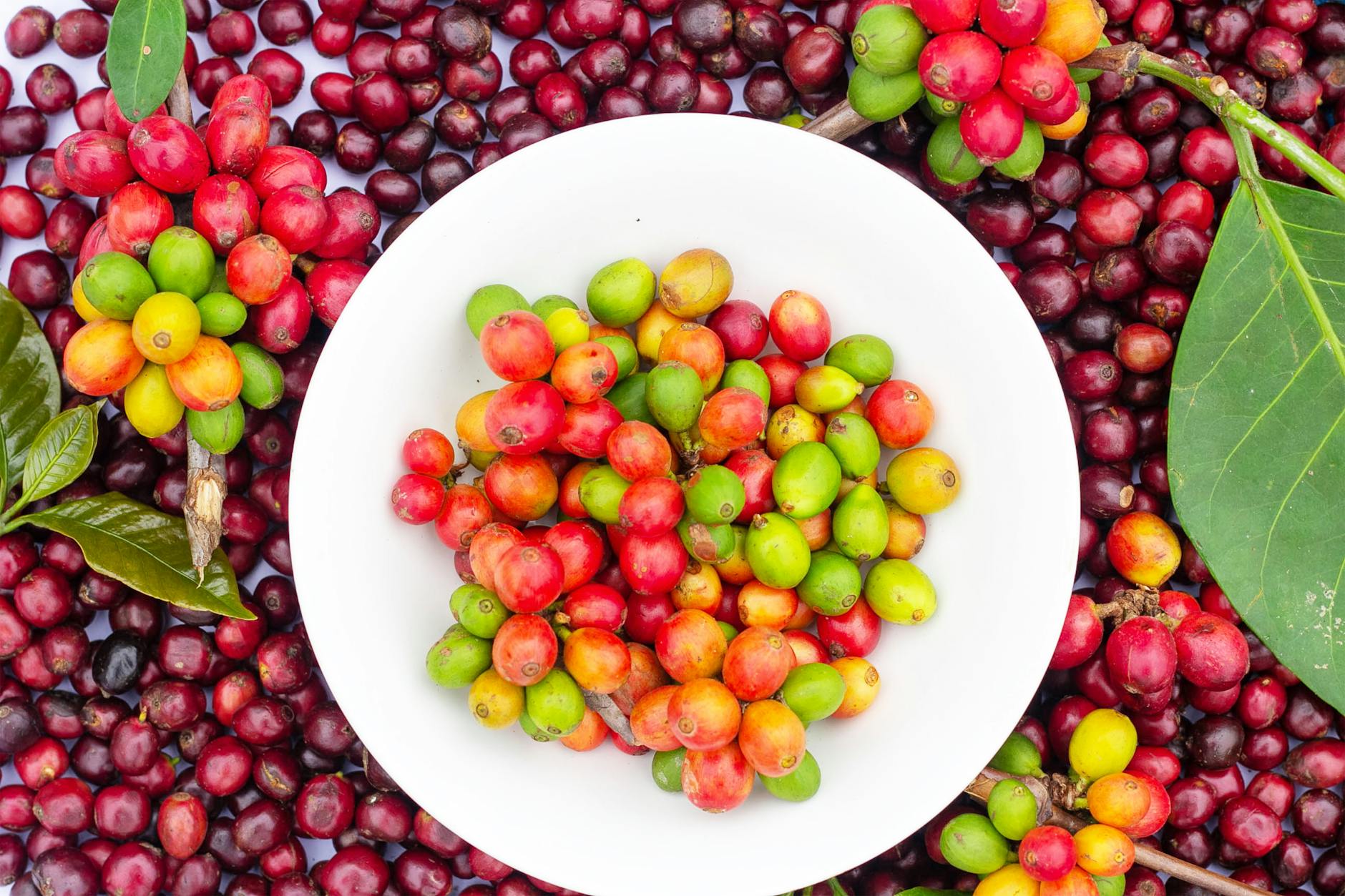
- The Importance of Sustainable Coffee Beans: The largest portion of coffee’s environmental footprint often comes from its cultivation and processing.
- Sustainably harvested coffee refers to practices that protect biodiversity, conserve water, minimize pesticide use, and support local ecosystems.
- Organic coffee goes further by prohibiting synthetic fertilizers and pesticides, directly benefiting soil health, water quality, and the health of farm workers.
Choosing beans with these certifications dramatically reduces your overall environmental impact before the coffee even reaches your grinder. It’s an investment in the health of our planet and the communities that produce our beloved coffee.
- Choosing a Responsible Coffee Roaster: Your coffee roaster is a vital link between the farm and your cup. Guidance on identifying a ‘sustainable coffee roaster’ includes looking for those who:
- Source ethically: They often establish direct trade relationships with farmers, ensuring fair wages and environmentally sound practices.
- Are transparent: They should openly share information about their sourcing, roasting process, and community initiatives.
- Reduce their own footprint: This can involve using energy-efficient roasters, offsetting carbon emissions, or utilizing sustainable packaging.
Brands like Equator Coffees are renowned for their commitment to these principles, from farm ownership to promoting sustainably harvested beans.
- Sustainable Accessories & Practices: Extend your eco-conscious mindset to every part of your brewing routine.
- Reusable filters: Opt for metal mesh filters for drip machines and pour-overs, significantly reducing paper waste.
- Composting coffee grounds: Coffee grounds are rich in nitrogen, making excellent compost or fertilizer for your garden, diverting organic waste from landfills.
- Reusable cups and mugs: If you enjoy coffee on the go, a high-quality reusable mug is a simple yet impactful choice.
These small changes collectively contribute to a more sustainable coffee experience.
- Minimizing Waste in Your Coffee Ritual:
- Only boil the precise amount of water you need.
- Measure your coffee accurately to avoid brewing excess.
- If you use single-serve, actively explore refillable or genuinely compostable pods.
Every choice, from the farm to your cup, contributes to a more sustainable coffee experience.
Frequently Asked Questions
What makes a coffee machine truly “sustainable”?
A truly sustainable coffee machine balances performance with minimal environmental impact across its entire lifecycle. This means it’s built with durable, often recycled or recyclable materials, designed for maximum energy efficiency, easily repairable with available spare parts, and backed by a transparent brand committed to ethical manufacturing and responsible end-of-life solutions. It embodies longevity, resource conservation, and waste reduction.
Are manual brewing methods always more sustainable than automatic ones?
Generally, yes. Manual methods like French press, Chemex, or pour-over typically have a lower environmental footprint. They require little to no electricity for brewing (only for heating water, which can be done efficiently) and often use durable, simple materials like glass, ceramic, or metal. Automatic machines, while convenient, consume electricity for heating and brewing. Their sustainability depends heavily on their energy efficiency, material composition, and repairability. However, a well-chosen, energy-efficient automatic machine with a long lifespan can still be a highly sustainable choice.
How can I verify a brand’s sustainability claims for their coffee machines?
Look for tangible evidence and independent third-party certifications. Check their official website for detailed reports on material sourcing (e.g., recycled content percentage), manufacturing practices (e.g., factory certifications, emissions data), and end-of-life programs (like recycling or repair services). Certifications such as Energy Star (for energy efficiency) or B Corp (for overall social and environmental performance) provide independent validation. Be wary of vague “green” claims without specific data or verifiable actions; transparency is key to trustworthiness.
What’s the biggest environmental problem with single-serve coffee makers, and are there sustainable alternatives?
The biggest environmental problem with traditional single-serve coffee makers is the enormous volume of single-use pods that end up in landfills, as many are not easily recyclable or compostable in standard municipal facilities. This contributes significantly to plastic and aluminum waste. Sustainable alternatives include using reusable pods (which you fill with your own coffee grounds), seeking out commercially compostable pods (if you have access to industrial composting facilities), or choosing single-serve brewers that offer specific, robust recycling programs for their proprietary pods, often made from readily recyclable aluminum.
Besides the machine, what else can I do to make my coffee habit more eco-friendly?
Beyond selecting a sustainable machine, you can significantly reduce your environmental impact by:
- Sourcing sustainable beans: Prioritize certifications like Organic, Fair Trade, or Rainforest Alliance to ensure ethical and environmentally responsible farming practices.
- Choosing a responsible roaster: Support roasters who engage in direct trade, use sustainable packaging, and employ energy-efficient operations.
- Minimizing waste: Use reusable filters, compost your coffee grounds, only boil the exact amount of water you need, and always use a reusable travel mug for coffee on the go.
These practices collectively create a holistic, eco-conscious coffee ritual.
Brewing a Brighter Future: Your Role in Sustainable Coffee Consumption
The journey to a truly sustainable coffee experience is intricate, extending from the initial seed to the final sip. As we’ve explored, choosing a sustainable coffee machine is a powerful statement – an investment in both delightful brewing and environmental stewardship. It’s about understanding the intricate dance between durable materials, energy efficiency, repairability, and the transparent practices of the brands we support.
We hope this guide has empowered you, the curious brewer, to make informed decisions that benefit not only your daily coffee pleasure but also our shared planet. The path to sustainability is one of continuous learning and adaptation, and every conscious choice contributes to a larger, brighter future. So, go forth, experiment with confidence, and savor the rich, rewarding process of brewing a better cup – for yourself, and for the world.