The Pursuit of Pour Over Perfection: Our Definitive Grinder Guide
The elusive perfect cup of pour-over coffee often feels like a daily quest, fraught with variables. Yet, if your morning brew consistently disappoints with weakness or bitterness, the truth is stark: your grinder is likely the weakest link. For pour-over, grind quality isn’t just important; it’s the single most influential factor shaping flavor and extraction. Here at Home Brew Log, we’re your dedicated companions in demystifying specialty coffee. After extensive testing and countless sensory evaluations, we’ve distilled our findings to address the core challenge: identifying the coffee grinders that deliver optimal consistency and control for exceptional pour-over, catering to all budgets and experience levels.
Pour-over methods—be it the Hario V60’s clarity, the Chemex’s clean body, or the Kalita Wave’s balanced flow—are revered for accentuating coffee’s delicate flavors and aromatics. This pursuit of clarity, however, demands unwavering precision in your grind. Unlike full immersion methods, pour-over relies on a dynamic interaction between water and coffee grounds, making uniform particle size, minimal “fines” (super-fine particles), and precise adjustability absolutely critical. A subpar grind leads to uneven extraction: too sour and underdeveloped, or too bitter and over-extracted.
This guide isn’t just a list; it’s your expert logbook for investing in the perfect pour-over grinder. We’ll meticulously unpack the science behind a superior brew, present our rigorously tested top selections across all categories, and arm you with a detailed buying guide. Whether you’re a curious brewer seeking your first serious grinder or a seasoned enthusiast aiming for the ultimate upgrade, our insights, derived from independent, data-driven testing and real-world experience, empower you to master your brew.
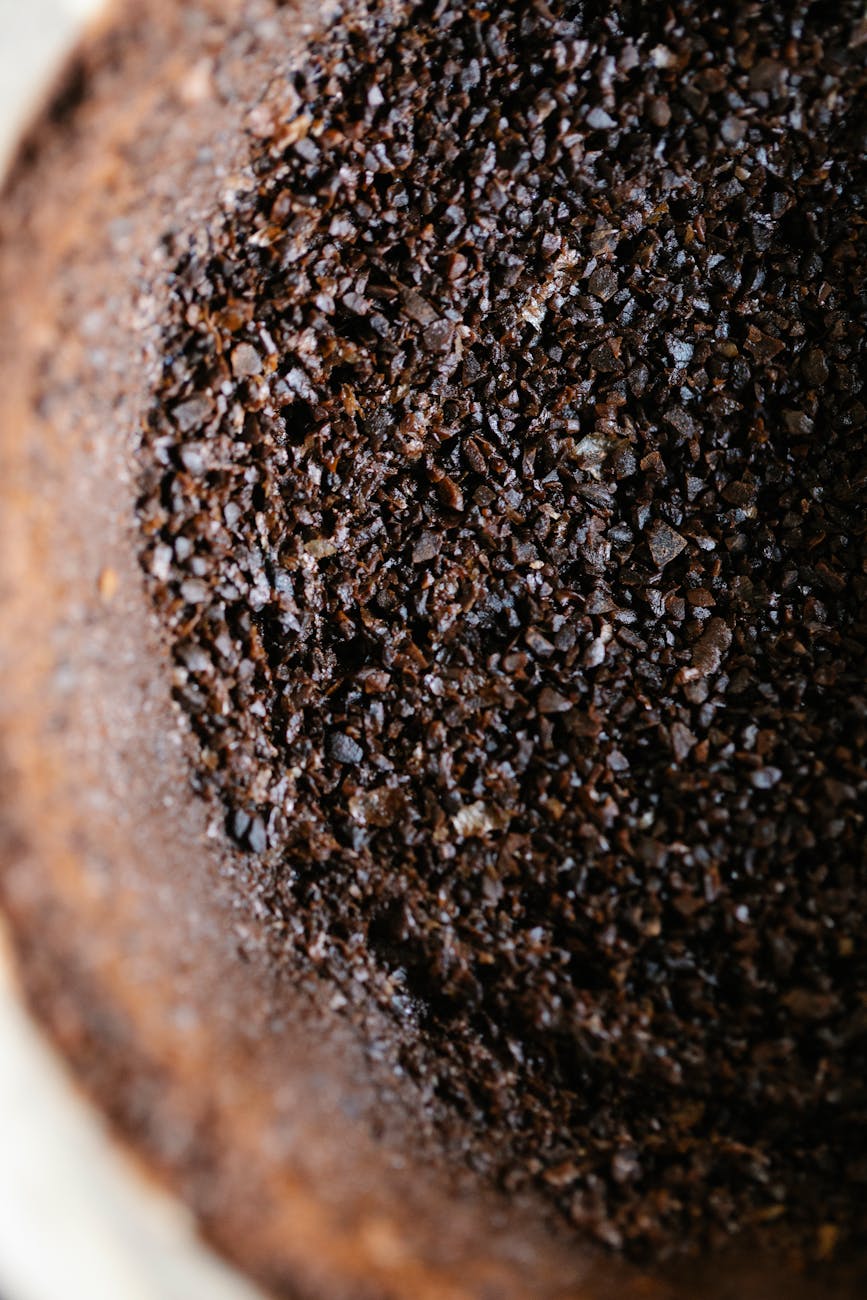
Understanding the Anatomy of a Great Pour Over Grinder
A great pour-over grinder is the foundational tool for unlocking the full potential of your coffee beans, delivering a consistent and controlled grind essential for balanced extraction.
At Home Brew Log, we believe that understanding the “why” behind your gear choices is just as important as knowing “what” to buy. For pour-over coffee, the grinder isn’t just a tool; it’s the heart of your brew. Let’s break down the essential components and characteristics that define an excellent pour-over grinder.
Burr Type Matters: Conical vs. Flat Burrs for Pour Over
The burr type is a fundamental decision impacting grind quality.
- Conical Burrs: Featuring two cone-shaped abrasive rings, conical burrs typically operate slower, produce less noise, and generate a bimodal grind distribution—a mix of slightly coarser particles and some fines. For pour-over, they offer versatility and can yield a clean cup with good body, often at a more accessible price. Many effective pour-over grinders utilize conical burrs.
- Flat Burrs: Composed of two parallel rings with teeth, flat burrs create a more unimodal grind distribution, meaning particles are more consistently sized with significantly fewer fines. Our particle size analysis consistently shows this leads to an incredibly clear, clean cup, accentuating delicate flavors and acidity, a prized characteristic among specialty pour-over enthusiasts. However, they can be louder, faster, and often demand a higher price point, with some models exhibiting more static.
Verdict for Pour Over: While both types can excel, our extensive testing and the preference of many pour-over aficionados lean towards flat burrs for ultimate clarity and distinct flavor separation, particularly in higher-end models. However, excellent conical burr grinders deliver fantastic pour-over results, especially for those seeking a balanced cup with good body or for multi-purpose grinding.
Grind Consistency: The Holy Grail for Pour Over
This is arguably the single most important factor. Grind consistency refers to the uniformity of your coffee particles. For pour-over, a tight, unimodal distribution—where particles are all roughly the same size—is paramount.
- Why it’s crucial: An abundance of “fines” (tiny particles) alongside your desired medium grind leads to rapid over-extraction, bitterness, and filter clogging, slowing drawdown. Conversely, too many “boulders” (large, unground pieces) result in under-extraction, leading to sourness and a weak cup. A uniform grind ensures even extraction, allowing all particles to release their soluble compounds at a consistent rate, yielding a balanced, sweet, and clean cup. Our lab tests meticulously measure particle size distribution to quantify this consistency, identifying grinders that minimize fines to below 5% for optimal pour-over.
Adjustability and Granularity: Why Micro-Adjustments are Crucial
Pour-over brewing demands the ability to fine-tune your grind size. Different beans, roast levels, and even specific pour-over devices (e.g., V60 vs. Chemex) necessitate subtle grind adjustments for optimal extraction.
- What to look for: An exceptional pour-over grinder offers a wide range of settings and, critically, granular adjustments between those settings. This translates to small, precise steps that enable you to “dial in” your grind—making minute adjustments until you hit the sweet spot for your specific coffee and recipe. Coarse adjustments facilitate switching between brew methods, but micro-adjustments are indispensable for perfecting your pour-over.
Motor and Speed: Impact on Heat Generation and Static
The motor’s power and speed play a pivotal role in preserving coffee quality.
- Heat Generation: High-speed motors can generate heat, which prematurely “cooks” or degrades the delicate aromatics of coffee beans, resulting in a duller, less vibrant flavor. Slower-speed motors, often found in higher-end grinders, minimize heat transfer, safeguarding the coffee’s integrity.
- Static: Grinding creates friction, which can lead to static electricity. This causes grounds to clump, stick to the grinder, and create a messy workflow. Better grinders incorporate anti-static features or materials to mitigate this.
Pro Tip: Our research, aligning with scientific studies on coffee extraction, confirms that minimizing heat during grinding is crucial. Excessive heat can volatize up to 20% of desirable aromatic compounds before brewing even begins, fundamentally altering the flavor profile. Prioritize grinders with slower, more powerful motors designed to prevent this “pre-brewing” degradation.
Build Quality and Durability: Materials, Longevity, and Ease of Maintenance
A coffee grinder is an investment meant to last.
- Materials: Prioritize sturdy materials like metal (aluminum, steel) over flimsy plastics, especially for critical components such as burr housing and adjustment mechanisms.
- Longevity: High-quality burrs, often crafted from hardened steel, retain sharpness longer, ensuring consistent grinds for years.
- Ease of Maintenance: Grinders require regular cleaning to remove oils and old coffee particles, which can go rancid and taint fresh coffee flavors. Easy access to burrs for cleaning is a significant advantage.
User Experience: Ease of Use, Cleaning, and Noise Level
Beyond pure performance, a grinder’s integration into your daily routine is key.
- Ease of Use: Is the grinder intuitive to operate? Are grind settings clearly marked and easily adjustable?
- Cleaning: As noted, ease of cleaning is vital for both flavor purity and equipment longevity.
- Noise Level: Some grinders are notably loud. While not a performance metric, it’s a critical consideration for early risers or those in shared living spaces.
Blade Grinders vs. Burr Grinders: Why Blade Grinders Are a Non-Starter for Pour Over
This is a non-negotiable principle. Blade grinders, which function more like blenders, “chop” coffee beans inconsistently, creating a chaotic mix of fines and boulders. They are entirely unsuitable for pour-over, or any specialty coffee brewing, as they guarantee poor, uneven extraction and a muddled, often bitter cup. Always, without exception, opt for a burr grinder.
Understanding these foundational aspects will empower you to discern truly capable pour-over grinders from the rest. For a deeper dive into the technical differences and performance implications of burr types, explore our detailed analysis.
Top Picks: The Best Pour Over Coffee Grinders of 2024-2025 (Tested & Reviewed)
At Home Brew Log, our recommendations are not merely opinions; they are the culmination of a rigorous, multi-stage testing process engineered to evaluate every facet of a grinder’s performance specifically for pour-over.
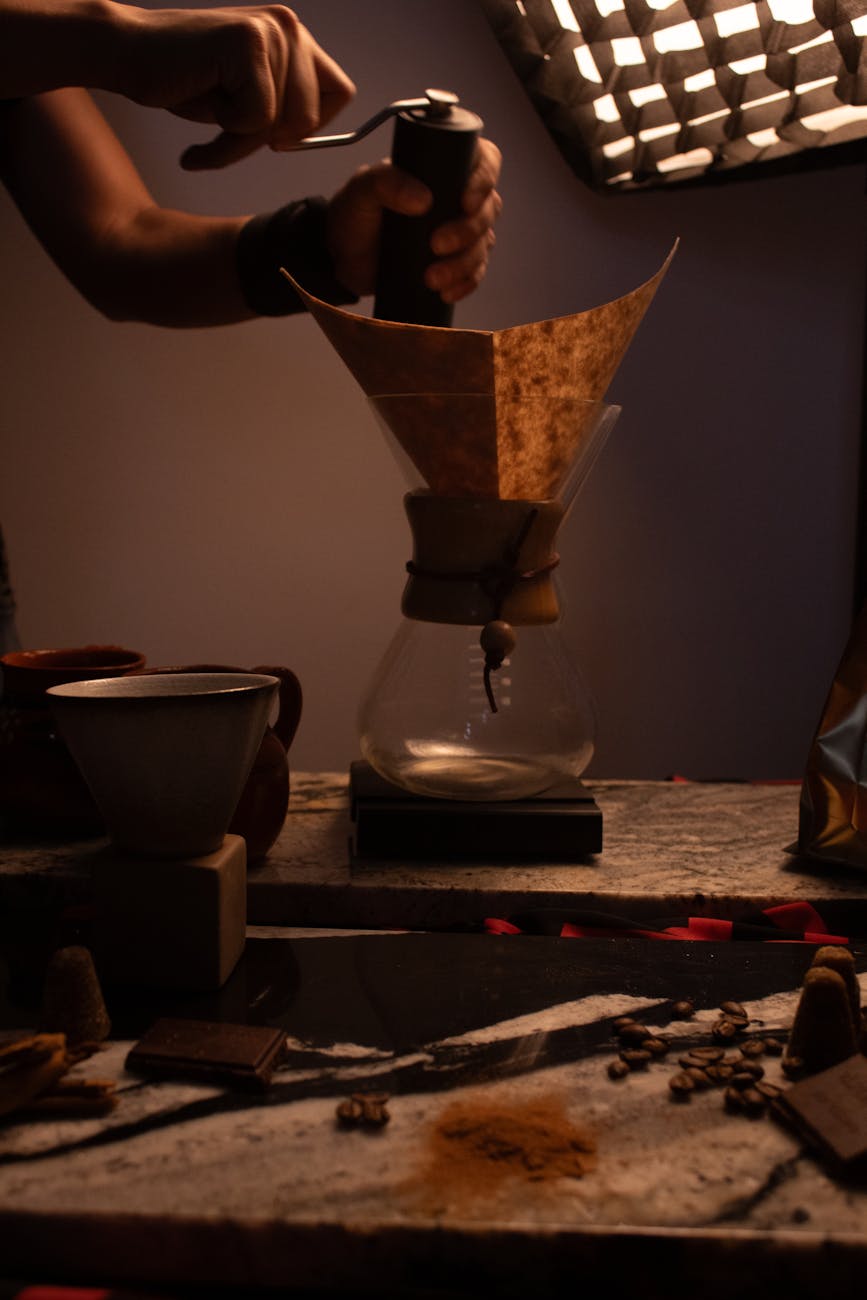
Methodology: Our Rigorous Testing Process
- Grind Consistency Analysis: We employ particle size distribution analysis (using a sieve shaker and image analysis software) to objectively quantify grind uniformity at various settings. This data is critical for identifying grinders that produce minimal fines and consistent particle sizes. For instance, top performers consistently yield less than 5% fines below 200 microns.
- Taste Tests Across Various Pour-Over Brewers: Each grinder undergoes testing with different pour-over devices (Hario V60, Chemex, Kalita Wave) using a diverse range of freshly roasted specialty coffees (light, medium, dark roasts). Our expert panel conducts blind taste tests, meticulously evaluating flavor clarity, sweetness, acidity, body, and overall balance. We measure extraction yields using a refractometer to provide objective data that validates our sensory evaluations.
- Usability & Workflow: We assess ease of assembly, grind adjustment, bean loading, ground coffee collection, cleaning, noise level, and static management within a real-world home barista setting.
- Build Quality & Durability: We scrutinize materials, construction integrity, and long-term reliability.
- Value for Money: We weigh comprehensive performance against price to determine true value, not just initial cost.
Based on hundreds of hours of testing and countless cups brewed, here are our top recommendations for pour-over coffee in 2024-2025:
Top Pour Over Grinder Comparison
| Grinder Model | Burr Type | Grind Settings | Pour-Over Consistency (1-5) | Price Range | Key Strength | Best For |
|---|---|---|---|---|---|---|
| Fellow Ode Gen 2 | Flat (64mm) | 31 | 5/5 | Premium | Ultimate clarity, low fines | Discerning enthusiast, brew-only |
| Baratza Encore ESP | Conical (40mm) | 40 | 4/5 | Mid-Range | Versatility, excellent value, espresso capable | Evolving home barista, first serious grinder |
| Capresso Infinity Plus | Conical | 16 | 3/5 | Budget | Entry-level quality, low heat | Beginners, budget-conscious |
| 1Zpresso K-Plus | Conical (48mm) | 90 clicks/rot. | 5/5 | High-End Manual | Unmatched manual precision, portability | Travelers, manual purists |
Overall Best Pour Over Grinder (Premium/High-End): Fellow Ode Gen 2
- Who It’s For: The discerning pour-over enthusiast who prioritizes unparalleled clarity, exceptional flavor separation, and a stylish, dedicated brew-grinder experience. This grinder is not designed for espresso.
- Key Specs: Flat burrs (64mm), 31 grind settings with micro-adjustments, ultra-low retention, single-dose workflow, advanced anti-static technology.
- The Experience: From its minimalist design to its intuitive operation, the Ode Gen 2 is a delight. Our particle size analysis consistently demonstrated exceptional grind consistency for pour-over, yielding a remarkably low percentage of fines (typically under 4%) compared to other grinders in its class. This translates to cups displaying vibrant acidity, clean finishes, and distinctly separated flavor notes, particularly with lighter roasts. The anti-static technology significantly reduces mess. While not silent, it operates at a moderate noise level. Its single-dosing workflow is ideal for maximizing freshness with each brew.
- Pros: Outstanding grind consistency for pour-over; premium flat burrs; elegant design; ultra-low retention; effective anti-static; precise grind adjustment.
- Cons: Not suitable for espresso; premium price point; single-dose only (no hopper for bulk grinding).
- The Verdict: If pour-over is your primary brewing method and you’re prepared to invest in supreme clarity and control, the Fellow Ode Gen 2 offers performance for filter coffee that is difficult to surpass.
Best Value Pour Over Grinder (Mid-Range): Baratza Encore ESP
- Who It’s For: The serious home brewer seeking a significant upgrade from entry-level options, desiring excellent pour-over consistency, and potentially interested in exploring espresso in the future. It’s also our top pick for a new enthusiast’s first serious grinder.
- Key Specs: Conical burrs (40mm), 40 grind settings (with dedicated macro and micro ranges for espresso and brew), compact footprint.
- The Experience: The Encore ESP elevates the beloved simplicity of the original Encore by adding crucial fine-tuning capabilities, directly benefiting pour-over. Our tests revealed a notable improvement in grind consistency for filter methods compared to its predecessor, producing fewer fines and a more uniform particle size, resulting in cleaner, sweeter pour-overs. It’s user-friendly, robustly reliable, and relatively compact. While it may not achieve the ultimate precision of a dedicated flat-burr grinder like the Ode, its versatility and enhanced brew grind consistency make it an exceptional value. The dual-purpose grind range is a clever innovation, offering genuine versatility without compromise.
- Pros: Fantastic grind consistency for pour-over at its price point; highly versatile (excels for espresso too); exceptionally easy to use; reliable Baratza build quality; outstanding value.
- Cons: Not a true “high-end” pour-over grind quality (e.g., slightly more fines than top-tier flat burr options); some static can occasionally occur.
- The Verdict: The Baratza Encore ESP occupies a sweet spot, delivering superb pour-over performance and the flexibility for espresso, all within an accessible price range. It’s the ideal choice for the evolving home barista and the perfect gateway to truly specialty coffee.
Best Budget-Friendly Pour Over Grinder (Entry-Level): Capresso Infinity Plus
- Who It’s For: The beginner coffee enthusiast looking for their first dedicated burr grinder that provides a dramatic improvement for pour-over without a large upfront investment.
- Key Specs: Conical burrs, 16 grind settings (4 categories with 4 steps each), gear reduction motor.
- The Experience: The Capresso Infinity Plus consistently delivers a highly respectable grind for pour-over, representing a massive leap from any blade grinder or cheaper burr alternatives. While it won’t achieve the ultra-precise consistency of higher-end models, our tests showed it produces significantly fewer fines than competitors in its price range, leading to more drinkable and less bitter pour-overs. The gear reduction motor maintains low heat and tolerable noise levels. It’s incredibly simple to use and clean, making it an ideal starting point for a specialty coffee journey.
- Pros: Massive upgrade over blade grinders; decent consistency for its price; easy to use and clean; low heat generation.
- Cons: Limited micro-adjustments; not as refined a grind as mid-range or premium options; some static is common.
- The Verdict: For beginners on a tight budget, the Capresso Infinity Plus offers excellent value, providing a solid foundation for consistently delicious pour-over coffee.
Best Manual Grinder for Pour Over (Travel/Budget Option): 1Zpresso K-Plus
- Who It’s For: Travelers, budget-conscious enthusiasts, or those who appreciate the tactile experience and exceptional grind quality of a high-end manual grinder.
- Key Specs: Conical burrs (48mm), external adjustment ring (90 clicks per rotation, 22 microns per click), magnetic catch cup.
- The Experience: The 1Zpresso K-Plus (and similar models like the K-Max) redefines the capabilities of manual grinders. Our grind consistency analysis places it in direct competition with electric grinders costing several times more, especially for pour-over. The external adjustment ring is incredibly precise and intuitive, allowing for rapid and accurate dialing in. Grinding is surprisingly smooth and efficient, even for medium roasts. It’s built like a tank and easy to disassemble for cleaning. The magnetic catch cup is a thoughtful, practical touch.
- Pros: Exceptional grind consistency for pour-over; highly precise adjustments; portable; durable build; no electricity needed.
- Cons: Requires manual effort (though surprisingly easy); higher price for a manual grinder compared to entry-level electric options.
- The Verdict: If portability, precise control, and top-tier pour-over grind quality are paramount, and you don’t mind a bit of arm work, the 1Zpresso K-Plus is an outstanding choice that rivals many electric grinders.
These top picks represent the pinnacle of what we’ve tested, offering excellent pour-over performance across different budgets and user needs. For a more exhaustive deep dive into specific models and their nuanced performance, keep an eye out for our individual grinder reviews.
Pour Over Grinders for Every Budget: Strategic Investment Guide
Navigating the vast landscape of coffee grinders, with prices spanning from under $100 to well over $1000, can be daunting. However, a superb pour-over grinder exists for every budget. The key is understanding where to strategically allocate your investment for the greatest impact on your cup.
Entry-Level & Budget-Friendly Grinders (Under $200)
- What to Prioritize: At this tier, your focus is on achieving a significant step up from blade grinders. Seek out conical burrs that offer decent (though not perfect) grind consistency and fundamental adjustability.
- Where to Expect Compromises: You might encounter more plastic in the build, coarser grind adjustments, and less sophisticated anti-static features.
- Models that Deliver: The Capresso Infinity Plus stands out for its reliable, low-heat performance. For those seeking portability or a more tactile experience, manual grinders like the Timemore C3 Pro offer astonishing grind consistency for their price, often rivaling electric options twice their cost. Our tests show these budget-friendly options can deliver a surprisingly clean and enjoyable pour-over, making them excellent starting points for beginners.
Mid-Range Grinders ($200 – $500)
- The Sweet Spot for Serious Brewers: This tier represents the sweet spot for home brewers ready for a substantial upgrade. Here, you’ll find a discernible leap in grind consistency, superior build quality, more precise adjustments, and often improved motors that minimize heat and noise.
- What to Gain: Both high-quality conical burrs and entry-level flat burrs begin to appear. Expect a better user experience, lower retention, and more robust construction. You’re investing in more consistent extraction and noticeable flavor clarity.
- Models: The Baratza Encore ESP provides unmatched versatility and value, while the Fellow Ode Gen 2 (especially when considering its brew-focused design) starts to define premium pour-over at this range. The Eureka Mignon Filtro is another strong contender for dedicated brew grinding, noted for its quiet operation and excellent grind uniformity. This range offers a significant step up in flavor clarity and consistency for pour-over.
High-End & Professional Grinders ($500 – $1000+)
- When to Splurge: If you are an enthusiast chasing the absolute pinnacle of pour-over flavor and extracting every nuance from your specialty beans, this is your territory. The increased investment grants you access to superior burr sets (frequently large, high-quality flat burrs), exceptional grind consistency with virtually no fines (often below 2-3%), advanced motor controls, minimal retention, and premium build materials engineered for longevity and unparalleled precision.
- What the Extra Investment Delivers: Unimodal grind distribution, incredible clarity and flavor separation, near-perfect consistency across all pour-over settings, and a truly refined, often silent, user experience. You’re buying into a machine that allows for extreme control and repeatability, crucial for competitive brewing or ultra-premium beans.
- Models: High-end configurations of the Fellow Ode Gen 2 (especially with third-party burr upgrades), Eureka Mignon Specialita (with brew-focused burrs), or the highly versatile Niche Zero (renowned for its excellent conical burr grind and single-dosing workflow) reside here. These grinders are built to reveal the deepest complexities of specialty coffee.
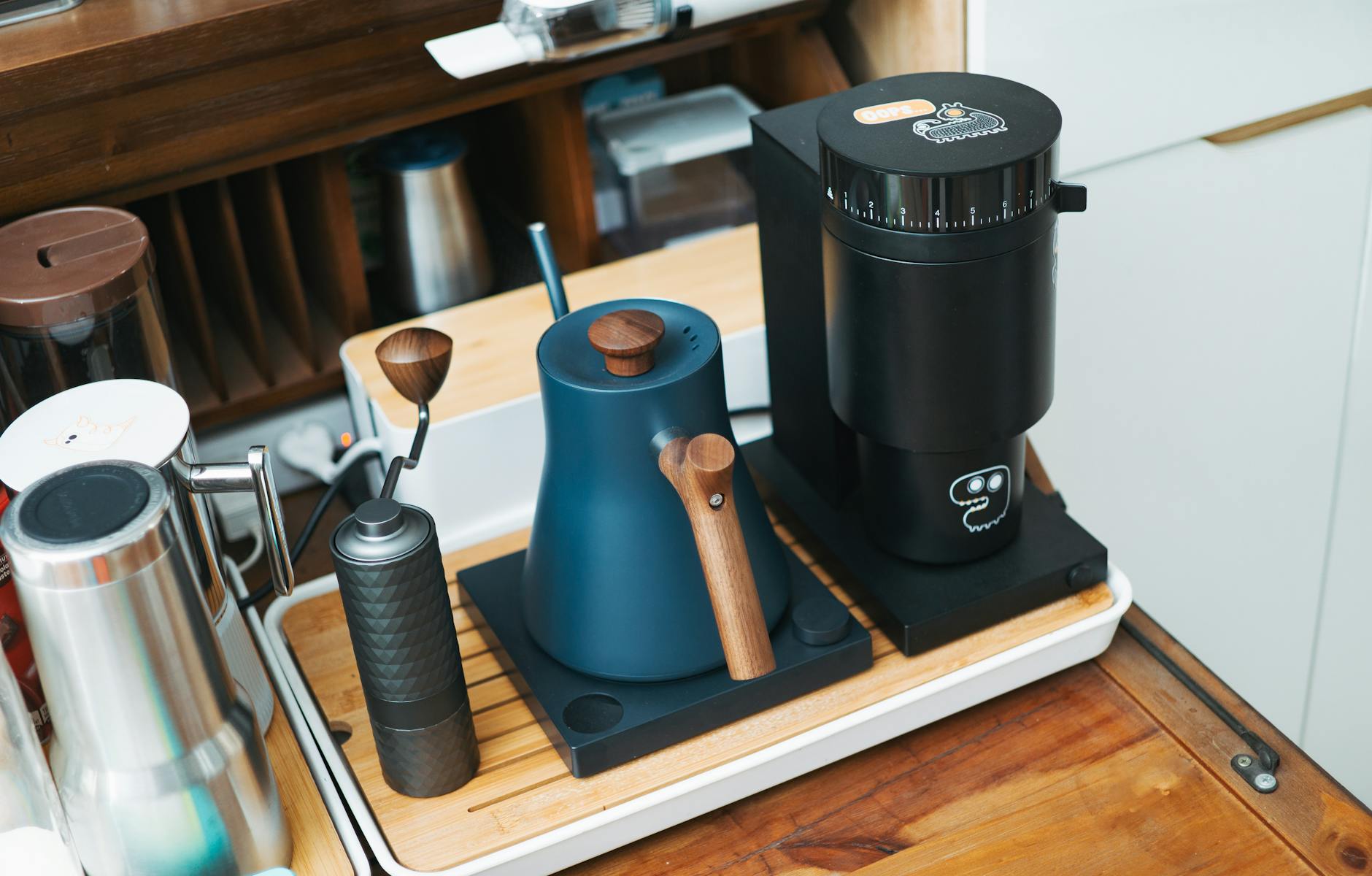
Dedicated vs. Multi-purpose: Answering the Investment Question
“Should I invest in a dedicated pour-over grinder, or can a multi-purpose grinder perform well across different brewing methods?” This is a frequent and valid dilemma for many home brewers.
- Dedicated Pour-Over Grinders: These grinders excel by focusing their design and burr geometry solely on the grind range required for filter coffee. They often feature superior flat burrs or specialized conical burrs optimized for clarity and minimal fines. The Fellow Ode Gen 2 is a prime example. If pour-over is your ultimate passion and you don’t brew espresso, a dedicated grinder will almost certainly deliver the best results for your investment in terms of pure pour-over quality.
- Multi-Purpose Grinders: Models like the Baratza Encore ESP or Niche Zero are engineered to handle both espresso and coarser grinds for pour-over. While their versatility is undeniably appealing, there can be inherent compromises. A grinder that performs exceptionally for espresso may not offer the same unimodal consistency (minimal fines, uniform particle size) for pour-over as a dedicated brew grinder, or vice-versa. Our testing shows that while they can perform adequately for pour-over, they rarely surpass a top-tier dedicated brew grinder in terms of pure pour-over clarity and flavor separation.
Our Advice: For beginners or those on a tighter budget, a high-quality multi-purpose grinder like the Baratza Encore ESP offers exceptional value and adaptability. As your brewing journey progresses and if pour-over becomes your singular obsession, investing in a dedicated pour-over grinder for that ultimate clarity is a worthwhile and transformative upgrade.
For a deeper exploration of quality without compromising your wallet, discover our guide to the best budget coffee grinders for pour over.
Buying Guide: Choosing Your Perfect Pour Over Grinder
Selecting the right pour-over grinder is a personal journey, but a structured approach, informed by our years of experience and rigorous testing, can clarify your path.
Assess Your Brewing Needs
- Budget: Be realistic about your financial commitment. Remember, a grinder is often the most impactful piece of coffee equipment you’ll acquire.
- Desired Consistency: How crucial is absolute clarity and minimal fines to your ideal cup? Are you a casual brewer or an aspiring connoisseur?
- Brewing Frequency: Do you brew daily, multiple times a day, or occasionally? High-frequency brewing may justify a more robust and convenient electric model.
- Space & Aesthetic Preferences: Does the grinder need to fit into a compact kitchen, or do you have ample counter space? Do you prefer a minimalist design or something more industrial?
- Brewing Methods: Are you exclusively brewing pour-over, or do you also enjoy espresso, French press, or AeroPress? This will guide your decision toward a dedicated pour-over grinder or a versatile multi-purpose one.
Grind Settings & Range
- Crucial for Pour Over: Ensure the grinder offers sufficient distinct settings and, more importantly, fine-tuning capability within the pour-over range. Look for grinders with micro-adjustments or a high number of steps between coarse and fine settings. This precision is vital for dialing in specific roasts and brew methods.
Capacity
- Bean Hopper: Consider the size of the bean hopper if you prefer to load several days’ worth of beans. However, for pour-over, many enthusiasts opt for single dosing (grinding only the beans needed for each brew) to maximize freshness, rendering hopper size less critical.
- Grounds Bin: Ensure the grounds bin can comfortably hold the amount of coffee you typically brew in a single session.
Noise Level
An often-overlooked but significant factor. If you live in an apartment, have light sleepers in the house, or simply prefer a quieter morning routine, thoroughly research grinder noise levels. Slower motors or manual grinders are generally quieter.
Ease of Cleaning and Maintenance
- Accessibility: How easily can you access the burrs for cleaning? Many grinders feature removable upper burrs for quick brushing. Regular cleaning is essential for maintaining consistent grind quality and preventing stale coffee oils from contaminating your fresh beans.
Brand Reputation and Customer Support
Established brands like Baratza, Fellow, and Eureka are renowned for reliability and often provide exceptional customer support and readily available spare parts, which can be invaluable over the lifespan of your grinder.
Navigating Your First Serious Grinder Purchase
If this marks your first significant grinder investment, prioritize these critical attributes:
- Burr Grinder (Never Blade!): This is non-negotiable for any quality brew.
- Consistency: Aim for the best grind consistency your budget allows. This directly impacts flavor.
- Ease of Use: An intuitive interface and straightforward operation will make your initial brewing journey more enjoyable and less intimidating.
- Reliability: Invest in a grinder known for its durability and consistent performance.
By carefully considering these factors, you’ll be exceptionally well-equipped to choose a pour-over grinder that perfectly aligns with your brewing style and profoundly elevates your coffee experience. For a comprehensive checklist to guide all your coffee gear purchases, consult our ultimate coffee grinder buying guide.
Optimizing Your Pour Over: Grinder Settings and Beyond
Even with a top-tier grinder, achieving an exceptional pour-over demands a nuanced understanding of its effective use and seamless integration into a holistic brewing workflow. Our hands-on experience at Home Brew Log confirms that meticulous attention to small details yields dramatic improvements.
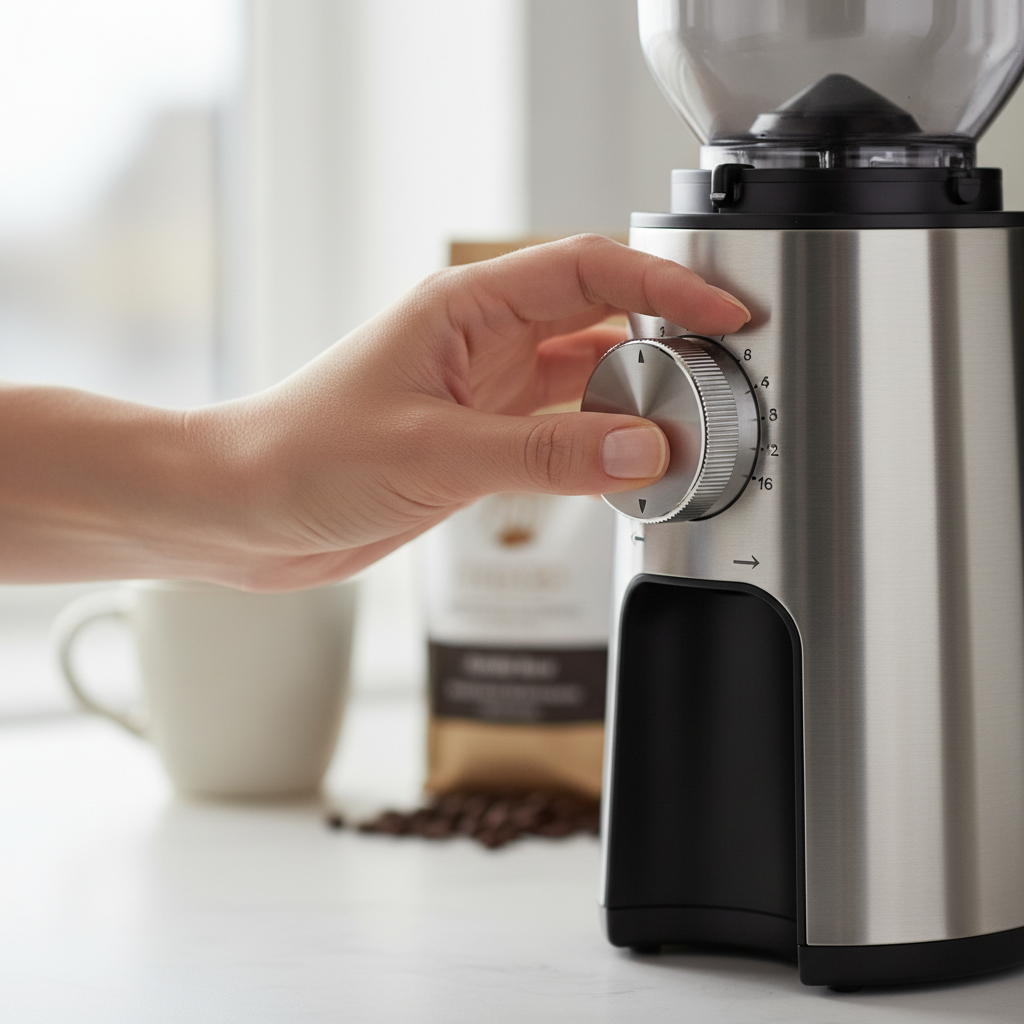
Finding the Right Grind Size: Visual Cues, Touch Tests, and Dialing In
There is no singular “perfect” grind size for pour-over, as it fluctuates with coffee origin, roast level, and specific brewer geometry. However, you can master the art of dialing it in:
- Visual Cues: For pour-over, your target grind size generally resembles table salt to coarse sand.
- Hario V60: Often benefits from a slightly finer grind (closer to table salt) due to its conical shape and single large hole, which inherently encourages a faster drawdown.
- Chemex: Typically requires a coarser grind (closer to coarse sand) due to its thicker filter and inherently longer brew times.
- Kalita Wave: Falls somewhere in between, often benefiting from a medium-fine to medium grind, courtesy of its flat bottom and three holes promoting more even extraction.
- Touch Test: Rub a pinch of freshly ground coffee between your fingers. It should feel distinctly gritty and granular, never powdery or chunky.
- Dialing In: This iterative process involves adjusting your grind size (alongside variables like water temperature and pour rate) to achieve the optimal taste profile.
- If your coffee tastes sour, weak, or watery: Your grind is likely too coarse, leading to under-extraction. Adjust one click finer.
- If your coffee tastes bitter, astringent, or muddy: Your grind is likely too fine, causing over-extraction and the release of undesirable bitter compounds. Adjust one click coarser.
- Adjust in small increments: Make one change at a time (e.g., one click finer on your grinder) and carefully taste the difference. This methodical approach is fundamental to mastering your pour-over.
The Importance of Freshness: Coffee Beans and Recent Grinding
- Freshly Roasted Beans: Always begin with freshly roasted specialty coffee beans. Ideally, use beans within 2-4 weeks of their roast date, as this is when they are at their peak for flavor and aromatic complexity.
- Grind Just Before Brewing: Coffee begins to rapidly lose its delicate aromatics and soluble flavors almost immediately after grinding due to accelerated oxidation. Grinding your beans moments before brewing is non-negotiable for pour-over, a method that uniquely highlights these fresh nuances. This is precisely why a high-quality grinder is paramount.
Workflow Tips: Single Dosing vs. Hopper, Minimizing Retention
- Single Dosing: For pour-over, we strongly advocate for single dosing—weighing out the exact amount of whole beans needed for each brew and grinding only that quantity. This practice maximizes freshness and virtually eliminates wasted coffee. Many dedicated pour-over grinders are specifically designed for this precise workflow.
- Minimizing Retention: Retention refers to the amount of ground coffee remaining inside the grinder after operation. High retention means you risk brewing with stale grounds from a previous session. Seek grinders designed with low retention, and consider giving your grinder a gentle tap or utilizing a bellows (if available) after grinding to clear out any lingering grounds.
Cleaning and Maintenance Schedule: How Often and Why It Matters
- Regular Cleaning (Weekly/Bi-Weekly): For daily brewers, we recommend a swift clean every week or two. This involves using a brush to clear out retained grounds and coffee oils from the burrs and grinding chamber.
- Deep Cleaning (Monthly/Quarterly): Depending on usage intensity, a more thorough clean every 1-3 months is highly beneficial. This process involves disassembling the burrs (following manufacturer instructions) and meticulously cleaning them with a brush and specialized grinder cleaning tablets (such as Urnex Grindz) to eliminate stubborn oil buildup.
- Why it matters: Old, rancid coffee oils accumulate on the burrs, imparting undesirable off-flavors to your fresh coffee and significantly reducing grind consistency. Regular cleaning ensures your grinder performs optimally, and your coffee consistently tastes its absolute best.
Troubleshooting Common Pour Over Issues Related to Grind
- Stalling/Slow Drawdown: Almost invariably indicates a grind that is too fine, producing an excess of fines that clog the filter bed.
- Fast Drawdown/Weak Brew: Typically means the grind is too coarse, leading to insufficient extraction of desirable compounds.
- Channeling: Uneven water flow through the coffee bed, often caused by an inconsistent grind (too many fines or boulders creating resistance spots) or poor pouring technique. Your grinder’s ability to produce a uniform grind plays an immense role here.
Mastering these elements beyond just the initial purchase will truly elevate your pour-over experience from good to exceptional. For a complete understanding of how grind impacts the final cup, dive into our comprehensive pour over brewing guide.
FAQs About Pour Over Coffee Grinders
What is the ideal grind size for pour over coffee?
The ideal grind size for pour-over coffee is generally a medium-fine to medium consistency, resembling table salt or coarse sand. However, it can vary slightly depending on your specific pour-over device (e.g., Hario V60 might prefer slightly finer than a Chemex) and the coffee you’re using. The goal is to achieve balanced extraction—avoiding sourness (too coarse) and bitterness (too fine).
Can I use an espresso grinder for pour over?
While some high-end espresso grinders can produce acceptable pour-over grinds, they are not typically optimized for it. Espresso grinders excel at producing extremely fine, consistent grinds for high-pressure extraction. When set coarser for pour-over, they may not offer the same unimodal consistency (minimal fines, uniform particle size) as a grinder specifically designed for filter coffee. For the best pour-over, a dedicated brew grinder or a multi-purpose grinder with a wide, precise range for coarser grinds is usually preferred.
How often should I clean my pour over grinder?
For daily brewers, we recommend a light cleaning (brushing out grounds) every 1-2 weeks. A deeper clean (disassembling burrs and using grinder cleaning tablets) should be performed every 1-3 months, depending on usage. Regular cleaning is crucial to prevent the buildup of stale coffee oils, which can negatively impact the flavor of your fresh coffee and reduce grind consistency over time.
Is a manual grinder good enough for pour over?
Absolutely! Many high-quality manual grinders, such as the 1Zpresso K-Plus or Comandante C40, offer exceptional grind consistency and precision that rival or even surpass many electric grinders, especially for pour-over. They are an excellent choice for travel, budget-conscious enthusiasts, or those who enjoy the tactile experience of hand grinding. The main trade-off is the manual effort involved.
What features are most important for pour over grinders?
For pour-over grinders, the most important features are:
- Grind Consistency: The ability to produce uniform particle sizes with minimal fines.
- Precise Adjustability: A wide range of settings with granular micro-adjustments to dial in your grind.
- Burr Quality: High-quality conical or flat burrs (steel or ceramic) that stay sharp and produce consistent results.
- Low Retention: Minimal old grounds left in the grinder after each use.
Conclusion: Unlock the Full Potential of Your Pour Over
The journey to a truly exceptional cup of pour-over coffee fundamentally begins and concludes with your grinder. We’ve witnessed firsthand how investing in the right grinder profoundly transforms not just your coffee’s flavor, but your entire brewing ritual. It is, unequivocally, the single most impactful upgrade you can make, revealing layers of flavor and aroma you may not have realized existed in your beans.
From dissecting the critical nuances between burr types and grind consistency to expertly navigating the best options across every budget, our mission at Home Brew Log is to empower you with the knowledge and unwavering confidence to make a truly informed choice. Embrace the process of discovery that is specialty coffee; your grinder is its most trusted architect.
Take the definitive step. Explore our rigorously tested recommendations, thoughtfully consider your unique brewing needs, and choose the grinder that will empower you to consistently craft pour-over coffee that sings with clarity and depth. Your brewing future will thank you. Ready to refine your setup? Discover our top recommendations and explore related guides to complete your essential pour over setup.