The Unseen Variable: How Coffee Grind Size Transforms Your Brew
What is Coffee Grind Size?
Coffee grind size refers to the coarseness or fineness of ground coffee particles. It is the most critical variable determining how water interacts with coffee during brewing, directly impacting extraction rate, flavor, and the final taste of your cup.
Waking up to a cup of coffee that’s just… off? Too bitter, too sour, or annoyingly bland? You’ve invested in quality beans and perhaps a decent brewer, but something’s still missing. The secret isn’t in a magic bean or a mythical technique; it’s in something far more fundamental: coffee grind size. This often-overlooked detail is the single most powerful lever you have to pull in transforming your home brewing, especially when tackling the intricate world of espresso.
Forget guesswork. This isn’t just a chart; it’s your definitive guide to understanding the science, mastering the practical adjustments, and unlocking the true potential of your coffee. We’re going beyond basic recommendations to arm you with the precise knowledge and calibration techniques needed to consistently brew your best cup. Let’s make every morning exceptional.
Curious about the deeper principles at play? Dive into The Fundamental Principles of Coffee Extraction: A Beginner’s Guide to understand the core science behind every perfect brew.
The Definitive Coffee Grind Size Chart for Every Brewing Method
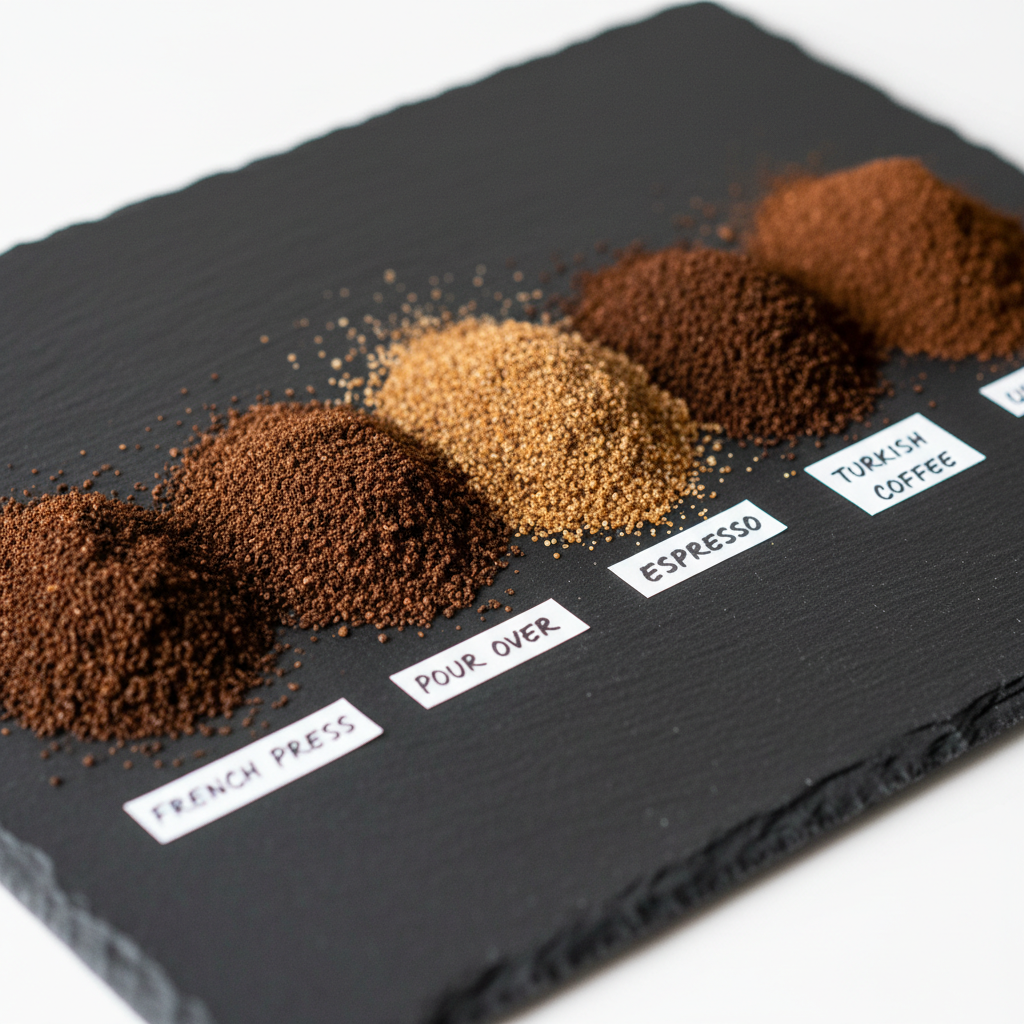
Think of this chart as your personal coffee “Rosetta Stone.” It translates the abstract concept of grind size into tangible textures and actionable settings, guiding you toward optimal extraction for any brewing method. While these are excellent starting points, remember that your specific grinder, bean density, and roast level will always require slight fine-tuning.
| Brewing Method | Grind Size Description | Texture Analogy | Approximate Micron Range | Common Grinder Settings (Example) |
|---|---|---|---|---|
| Turkish Coffee | Pulverized, extremely fine | Flour / Powder | < 100 µm | 1-3 (very fine) |
| Espresso Machine | Very fine, silky | Talcum powder / Sugar | 150-250 µm | 4-7 (fine) |
| Moka Pot / Stovetop | Fine | Fine table salt | 250-400 µm | 7-10 (medium-fine) |
| AeroPress (Espresso-style) | Fine to Medium-Fine | Fine table salt / Sand | 250-500 µm | 7-12 (medium-fine) |
| Pour Over (V60, Chemex) | Medium-fine to Medium | Sand / Granulated sugar | 400-700 µm | 12-18 (medium) |
| Drip Coffee Machine | Medium | Granulated sugar | 500-800 µm | 15-20 (medium) |
| Siphon / Vacuum Pot | Medium | Granulated sugar | 500-800 µm | 15-20 (medium) |
| French Press | Coarse | Breadcrumbs / Sea salt | 800-1200 µm | 20-25+ (coarse) |
| Cold Brew / Percolator | Very Coarse | Peppercorns / Coarse salt | 1000-1500+ µm | 25-30+ (very coarse) |
Understanding Micron Measurements: A micron (µm) is one-millionth of a meter, offering a precise way to quantify particle size. While home grinders rarely provide exact micron settings, these ranges help you visualize the required fineness. The “Common Grinder Settings” are illustrative click-based examples; a “5” on a Baratza Encore will differ from a “5” on a 1Zpresso. The real takeaway is correlating these numbers with the visual texture and the resulting taste in your cup.
For more specific guidance on your equipment, check out our Detailed Grind Settings for Popular Manual Coffee Grinder Brands (e.g., 1Zpresso, Comandante) guide.
The Science of Flavor: How Grind Size Controls Extraction
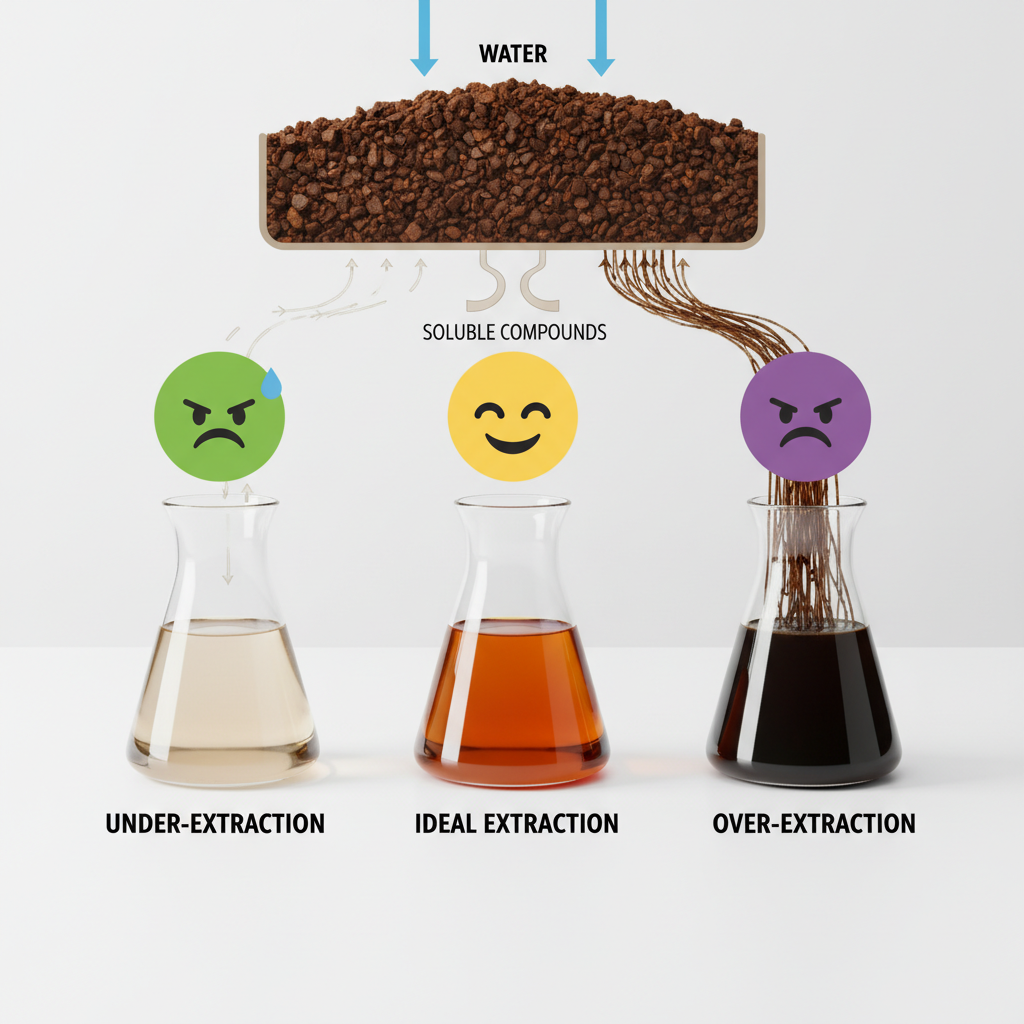
Brewing coffee is a fascinating blend of art and science, with extraction at its core. When hot water meets ground coffee, it dissolves soluble compounds – acids, sugars, fats, and oils – which define coffee’s complex flavor and aroma. Grind size is the master control for this entire process.
The Fundamental Principles:
- Surface Area: The finer the grind, the greater the total surface area exposed to water. This allows for faster and more efficient dissolution of soluble compounds. Imagine the difference between a sugar cube and granulated sugar dissolving in water – smaller particles dissolve quicker.
- Contact Time: Each brewing method dictates a specific contact time. Espresso, with its rapid, high-pressure interaction, demands a very fine grind for sufficient extraction within a brief window (25-35 seconds). Conversely, French Press, which involves prolonged immersion, requires a coarse grind to prevent over-extraction.
- Solubility Sequence: Not all compounds dissolve at the same rate. Desirable acids and sugars typically extract first, followed by more bitter compounds. The goal is to maximize the good without over-extracting the undesirable bitterness.
Impact on Water Flow and Pressure:
For methods involving pressurized water or gravity filtration, like espresso or pour over, grind size directly controls water flow:
- Too fine a grind: Creates excessive resistance, slowing water flow. In espresso, this causes high pressure and often over-extraction; in pour over, it leads to filter clogging and prolonged contact time.
- Too coarse a grind: Offers minimal resistance, allowing water to pass through too quickly. This reduces contact time, often resulting in under-extraction.
Diagnosing Your Brew by Taste:
- Under-extraction (Too Coarse): If your coffee tastes sour, thin, weak, or distinctly “grassy” or “hay-like,” your grind is likely too coarse. The water rushed through, insufficient time to dissolve enough sugars and desirable acids, leaving an imbalanced acidity.
- Over-extraction (Too Fine): If your coffee tastes bitter, astringent (a dry, puckering sensation), hollow, or burnt, your grind is probably too fine (or contact time too long). Too many bitter compounds have been dissolved, stripping the coffee of its pleasant sweetness and complexity.
By understanding these principles and tasting critically, you gain the power to adjust your grind precisely, achieving the balanced and nuanced flavor profile you desire for every cup.
For a deeper dive into the chemical reactions happening in your cup, explore The Chemistry of Coffee Extraction: Understanding Acids, Bitterness, and Aromatics.
Mastering Espresso Grind: Achieving the Perfect Shot Consistency
Espresso is a high-stakes brew, demanding unparalleled precision. Unlike other methods, it relies on high pressure (typically 9 bars) and a rapid extraction (25-35 seconds) to produce a concentrated, aromatic shot. This unique environment makes an exceptionally fine and consistent grind not just important, but absolutely fundamental to success.
Why Espresso Demands Precision:
The high pressure forces water through a compact bed of finely ground coffee. If the grind is too coarse, water will carve channels and rush through, leading to severe under-extraction. If it’s too fine, the coffee bed becomes a nearly impenetrable barrier, choking the machine and causing drastic over-extraction.
The ‘Espresso Triangle’: Grind, Dose, Yield, and Time
These four variables are intrinsically linked. Altering one often necessitates adjusting another to maintain balance:
- Grind Size: Your primary tool for controlling flow rate. Finer grind = more resistance, slower flow. Coarser grind = less resistance, faster flow.
- Dose: The precisely weighed amount of dry coffee grounds in your portafilter (e.g., 18 grams).
- Yield: The precisely weighed amount of liquid espresso produced (e.g., 36 grams).
- Extraction Time: The duration from pump activation until your desired yield is reached (e.g., 28 seconds).
Visual Cues: What Your Espresso Shot is Telling You
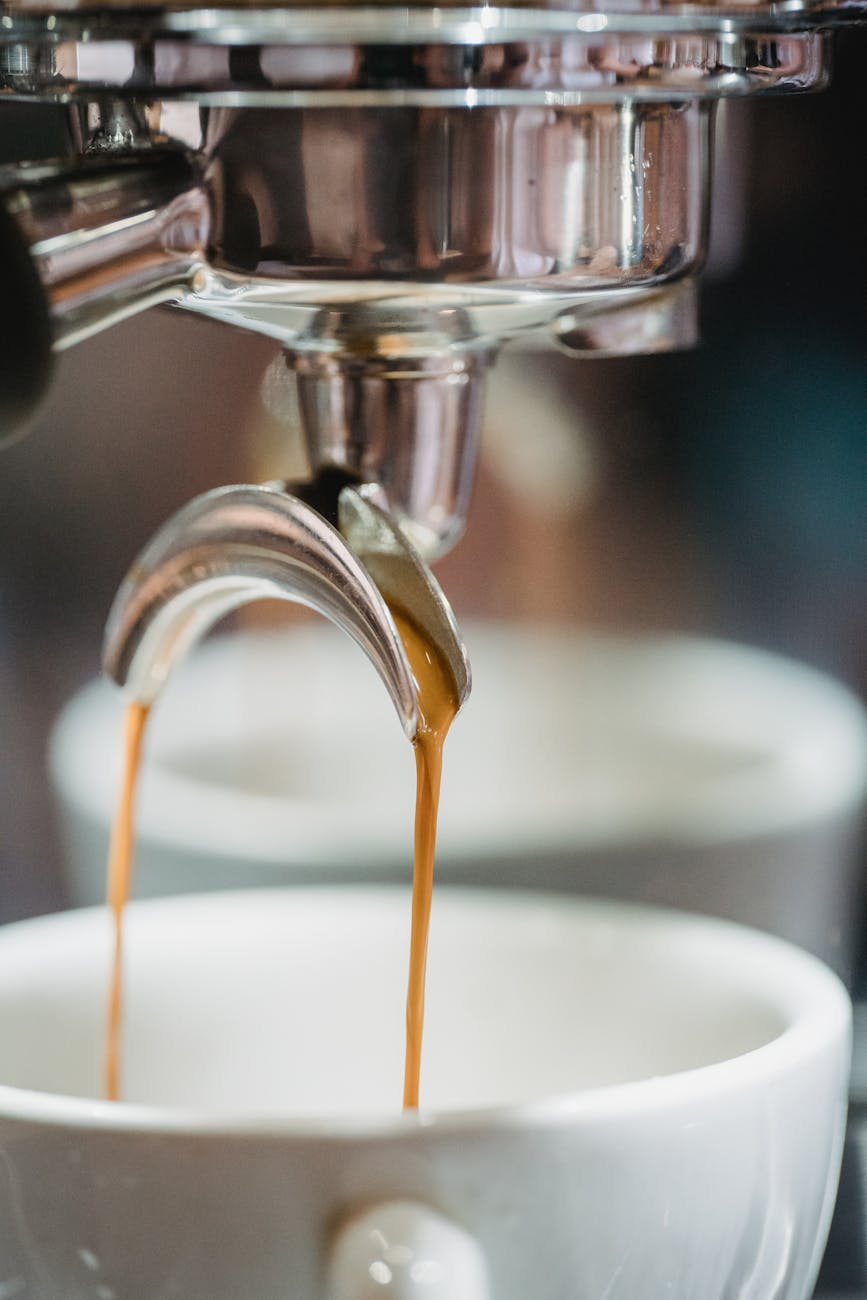
- Perfectly Extracted: The shot begins with a few drops, then flows smoothly and steadily, resembling warm honey or a “mouse tail.” The crema is uniform, thick, and lasts. The taste is balanced, sweet, and complex.
- Under-extracted (Gushing): The shot flows out far too quickly, appearing watery and pale. The crema is thin and dissipates rapidly. Expect a sour, weak, and thin-bodied taste. Problem: Grind is likely too coarse.
- Over-extracted (Choking): The shot drips agonizingly slowly, or barely at all, often looking very dark and thick. The crema might be blotchy or excessively dark. The taste will be intensely bitter, astringent, and harsh. Problem: Grind is likely too fine.
Pro Tip: As competitor snippets suggest, “Initial Calibration of your Grinder You will need a scale that reads to 0.1 grams, fresh coffee, an espresso grinder, an espresso machine with…” (Competitor 4). This highlights the need for precise tools. Always use a 0.1g scale for dose and yield measurements for consistent espresso results.
Mastering espresso grind is an ongoing journey of refinement. Embrace these principles, and you’ll consistently pull exceptional shots.
Ready to dive deeper into the minutiae of espresso? Our Espresso Dial-In Guide: Mastering Dose, Yield, and Time for the Perfect Shot provides all the tools you need.
Calibrating Your Coffee Grinder: Precision for Consistent Results
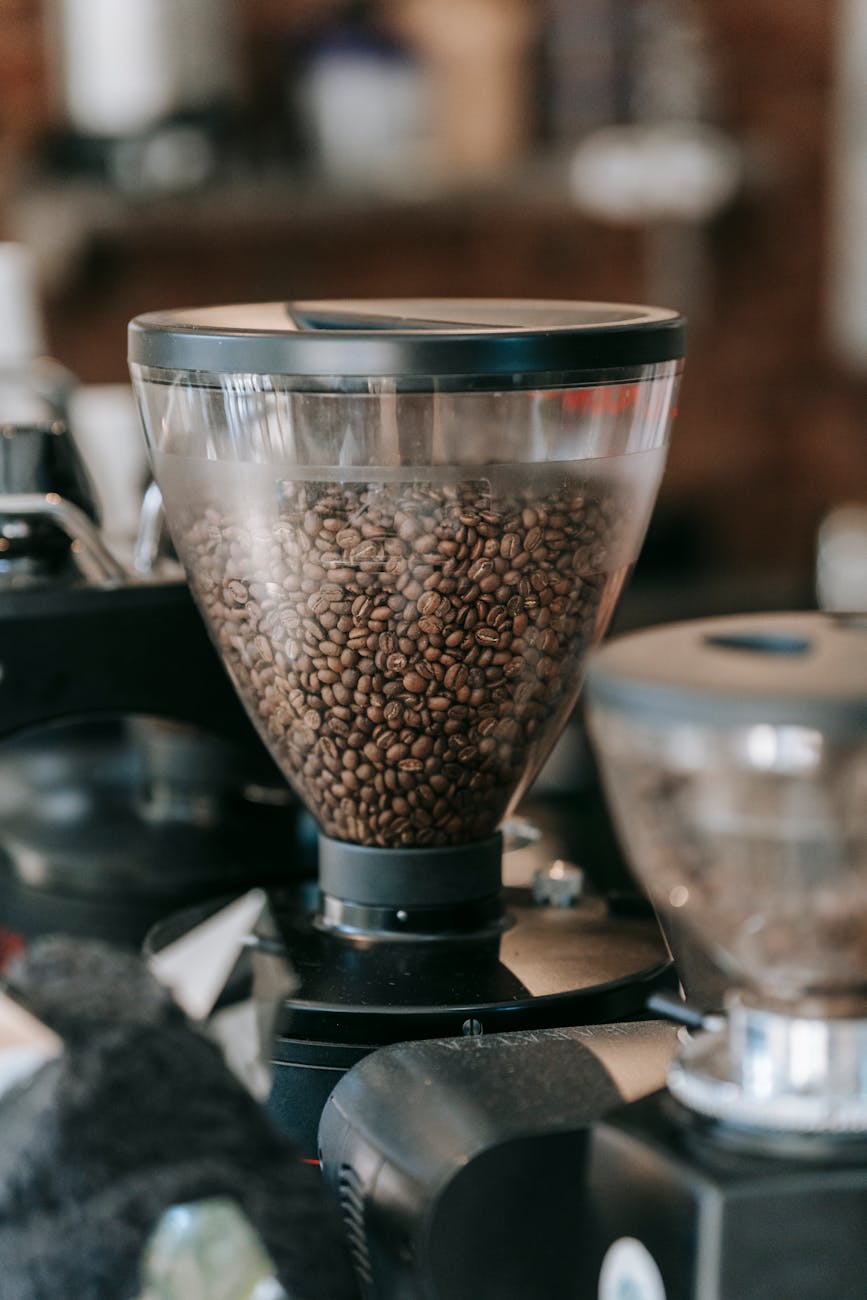
A quality burr grinder isn’t merely a luxury; it’s the bedrock of consistent, delicious coffee. Unlike blade grinders that unevenly chop beans, creating a detrimental mix of fine dust and coarse chunks, a burr grinder crushes beans uniformly. This consistency is paramount, especially for espresso, as it ensures even extraction across every single particle.
Burr Grinder Types:
- Conical burrs: Often found in high-end grinders, praised for their consistency and quieter operation.
- Flat burrs: Known for producing a highly uniform grind, common in commercial and some premium home grinders.
Step-by-Step Initial Grinder Calibration (Espresso Focus):
- Start Coarse & Clean: Begin with a relatively coarse espresso setting. Ensure your grinder is clean and free of stale grounds.
- Zero Point (Optional for Manual Grinders): For many manual grinders, find the “zero point” where the burrs just touch. Back off a few clicks (e.g., 5-8 clicks) for a very fine espresso starting point.
- Establish a Baseline:
- Dose: Use a precise scale (0.1g accuracy) to weigh your desired dose (e.g., 18g of fresh beans).
- Grind & Brew: Grind your coffee and pull a shot.
- Measure Yield & Time: Use your scale to measure the liquid espresso yield and a timer to record the extraction time.
- Analyze & Adjust:
- Too Fast (e.g., 18g in, 36g out in 15 seconds): Your grind is too coarse. Adjust your grinder one or two clicks finer.
- Too Slow (e.g., 18g in, 20g out in 40 seconds): Your grind is too fine. Adjust your grinder one or two clicks coarser.
- Target (e.g., 18g in, 36g out in 28 seconds): You’re in the ballpark! Now, refine based on taste.
- Sensory Feedback is Key:
- Taste: Remember: sourness signals under-extraction (go finer), bitterness signals over-extraction (go coarser).
- Aroma: A well-extracted shot should smell vibrant and complex.
- Visual Cues (Flow): Aim for that consistent “mouse tail” flow.
Troubleshooting Common Grinder Calibration Issues:
- “Choking” the Machine: If your espresso machine chokes completely, your grind is dramatically too fine. Make a larger adjustment coarser.
- “Gushing” Shot: If the shot pours like water, your grind is far too coarse. Make a larger adjustment finer.
- Inconsistent Shots: This often points to worn burrs, an old grinder, or uneven distribution of grounds in the portafilter.
- Retention: Many grinders retain a small amount of old grounds. Purge a small quantity before each brew to prevent stale coffee from contaminating your fresh shot.
Calibrating your grinder is less a one-time setup and more an ongoing conversation with your beans and environment. Embrace it as an essential, joyful part of your coffee journey.
To keep your grinder performing its best, consult our In-Depth Guide to Coffee Grinder Maintenance, Cleaning, and Troubleshooting.
Beyond the Chart: Other Factors Influencing Grind Selection and Taste
While the grind chart offers a crucial starting point, exceptional coffee brewing is a dynamic process. Several other factors fundamentally influence how your chosen grind size will perform and, ultimately, how your coffee will taste. Understanding these nuances moves you from simply following instructions to truly mastering your brew.
- Coffee Bean Roast Level:
- Lighter Roasts: These beans are typically denser and harder. They often require a slightly finer grind and/or higher water temperature to effectively extract their intricate acidity and delicate floral notes. Their less porous structure means water penetrates them differently.
- Darker Roasts: Tend to be more brittle and porous. They extract more quickly and can easily become bitter if ground too fine or extracted for too long. A slightly coarser grind or lower water temperature is often preferred to prevent over-extraction and manage bitterness.
- Impact of Bean Density and Origin:
- Denser Beans (e.g., high-altitude Ethiopian Harrar, some Central Americans): Due to their tightly packed cellular structure, these beans may necessitate a finer grind to achieve optimal extraction.
- Less Dense Beans (e.g., some Brazilians): These beans might extract more readily and therefore benefit from a slightly coarser grind to prevent over-extraction. A bean’s origin often provides valuable clues about its inherent density and characteristics.
- Age and Freshness of Your Coffee Beans:
- Fresh Beans: Emit more CO2, creating resistance within the coffee bed. For very fresh beans, you might need a slightly coarser grind to avoid choking your espresso machine or excessively slowing your pour-over.
- Aging Beans: As beans degas and lose CO2, they offer less resistance. Consequently, you’ll typically need to grind progressively finer over time to maintain a consistent extraction rate and flavor profile. Always aim to use freshly roasted beans within 2-4 weeks of their roast date for peak flavor.
- Environmental Factors:
- Humidity: High humidity can cause coffee grounds to clump together, impacting flow rate and consistency. On particularly humid days, you might need to adjust your grind slightly finer to compensate for this clumping effect.
- Altitude: At higher altitudes, water boils at a lower temperature, which can subtly affect extraction efficiency. While not a direct grind adjustment, it’s an underlying variable in the overall brewing equation.
- Best Practices for Storing Coffee Beans:
- Always store whole beans in an opaque, airtight container, protected from light, heat, and moisture.
- Avoid refrigerator or freezer storage unless vacuum-sealed for extended periods, as temperature fluctuations and condensation accelerate degradation.
- Crucially, grind only what you need, immediately before brewing. This preserves the volatile aromatics that define coffee’s freshness and flavor.
By considering these dynamic factors alongside the grind chart, you’ll cultivate a holistic understanding of how to truly optimize your coffee brewing, adapting seamlessly to the unique characteristics of each bean and environment.
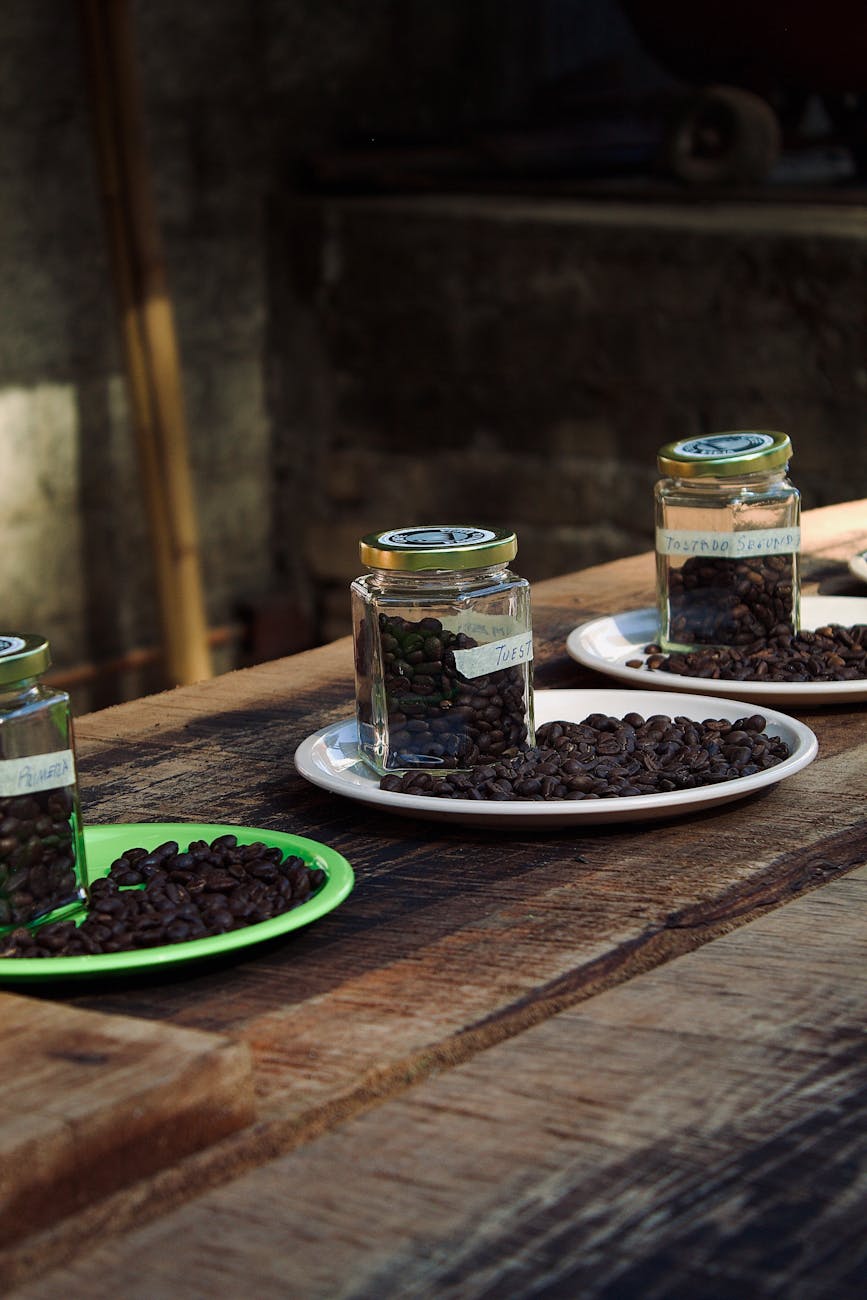
To select the perfect foundation for your espresso, read our guide on Choosing the Best Coffee Beans for Espresso: Roast, Origin, and Freshness.
Conclusion: Master Your Grind, Master Your Cup
You’ve now journeyed deep into the nuanced world of coffee grind sizes, from the flour-like dust of Turkish coffee to the coarse granules ideal for cold brew. More importantly, you understand not just what grind size to use, but why it fundamentally matters – the intricate science of extraction, the delicate balance of flavor, and its indispensable role in crafting every exceptional cup.
This isn’t about rigid rules. It’s about empowering you with principles, the confidence to diagnose brewing issues, fine-tune your recipes, and ultimately, consistently craft a brew that speaks directly to your palate and your chosen method. Consider this knowledge your most valuable tool for precision and joy in home brewing.
Now, go forth and experiment! Make small, deliberate adjustments, taste the subtle differences, and learn from every pour. Your unique equipment, your specific beans, and your evolving preferences will always call for a little ‘dialing in,’ and that’s precisely where the true artistry and satisfaction of coffee brewing truly begin. Happy brewing!
Frequently Asked Questions
Can I use espresso grind for a French Press?
No, it’s generally not recommended. Espresso grind is extremely fine; using it in a French Press would lead to significant over-extraction (resulting in bitter, astringent coffee) and likely a very silty, cloudy cup as fine particles would easily slip through the French Press filter. French Press requires a coarse grind for proper extraction during its long immersion time.
How often should I adjust my grinder?
For espresso, you’ll likely need to make small adjustments daily, or even with each new bag of beans, due to changes in bean freshness and environmental factors. For other methods like pour over or French Press, adjustments might be less frequent – perhaps weekly or whenever you switch to a different type of bean or notice a change in taste. The key is to taste your coffee and adjust as needed.
What does ‘dialing in’ mean in coffee terms?
“Dialing in” refers to the iterative process of fine-tuning your grinder settings (and often dose/yield) to achieve the optimal extraction and flavor for a specific coffee bean on a specific brewing setup. It’s an essential, continuous cycle of grinding, brewing, tasting, and adjusting, particularly critical for espresso to hit that perfect balance of sweetness, acidity, and bitterness.
Why is a consistent grind so important?
Consistency in grind size ensures that all coffee particles extract at a similar rate. If your grind contains a mix of very fine particles (fines) and very coarse particles (boulders), the fines will over-extract rapidly while the boulders under-extract slowly. This leads to an uneven, often undesirable flavor profile (e.g., bitter from fines, sour from boulders). A uniform grind promotes even extraction, resulting in a cleaner, more balanced, and predictable cup.
Should I grind my coffee right before brewing?
Absolutely, yes! Grinding coffee dramatically increases its surface area, exposing volatile aromatics to oxygen, which causes them to dissipate rapidly. Pre-ground coffee loses a significant amount of its inherent flavor and aroma within minutes. Grinding right before brewing is arguably the most impactful step you can take to ensure the freshest, most flavorful cup possible.
For those eager to explore beyond the basics, consider diving into Advanced Coffee Brewing Techniques: Exploring New Methods and Optimizing Your Brew to further hone your craft.