The Definitive Guide to Coffee Machines: Crafting Your Café-Quality Brew at Home
Welcome, fellow coffee enthusiast! If you’re reading this, you’ve likely moved beyond simply drinking coffee. You’re ready to experience it—to transform your daily ritual into an act of creation, yielding a cup that rivals your favorite café. But with a dazzling array of machines, from sleek automatics to hands-on artisanal brewers, how do you navigate the choices to consistently deliver that perfect, soul-satisfying cup?
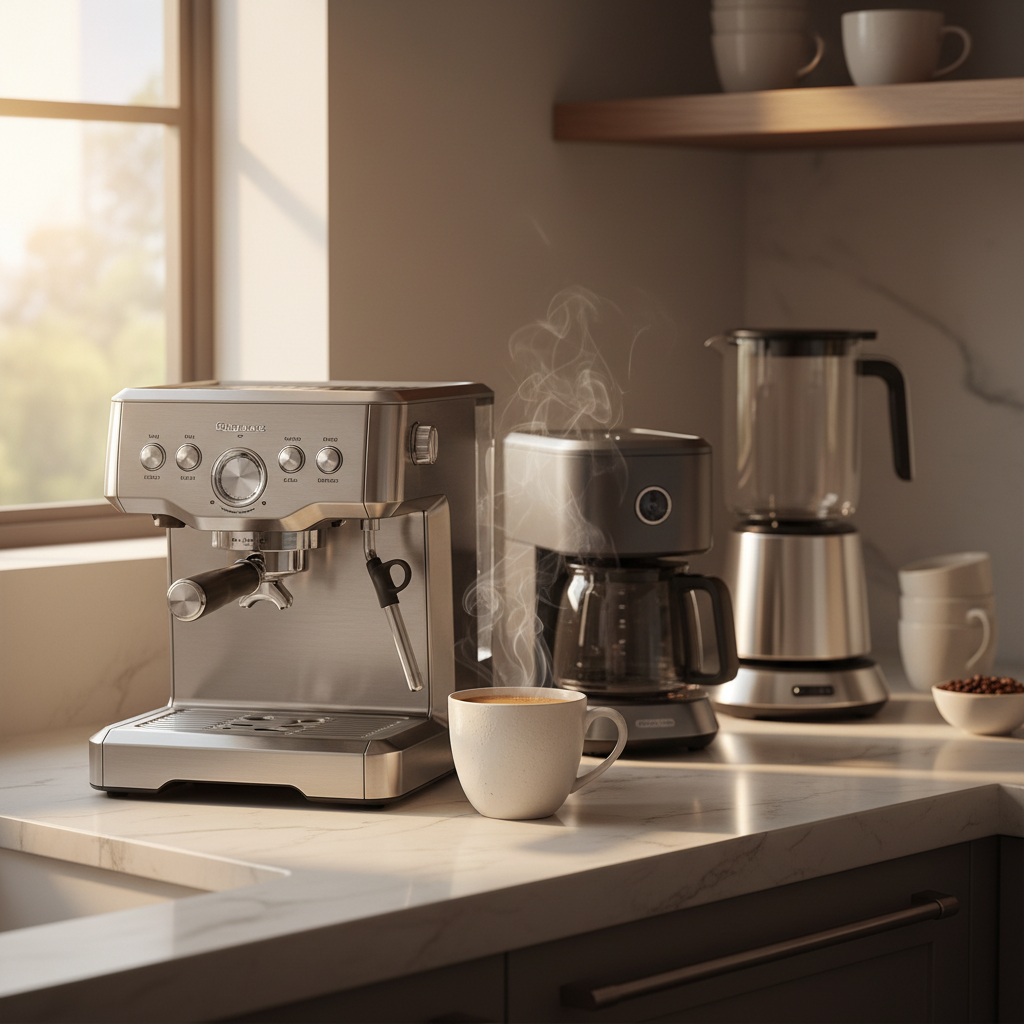
Choosing the right coffee machine isn’t just about convenience; it’s about unlocking the full potential of your beans, seamlessly integrating with your routine, and ultimately, elevating your home brewing experience. Whether you’re a beginner seeking foolproof simplicity, a busy professional needing speed, or a budding home barista chasing the perfect espresso shot, this guide is your trusted logbook.
This comprehensive resource will demystify the world of coffee machines, covering everything from fundamental types and essential features to the subtle brewing science that delivers café-quality results. We’ll provide expert insights, transparent comparisons, and data-backed recommendations to empower your decision, ensuring you can consistently make truly good coffee and achieve the premium coffee at home experience you’ve been dreaming of.
Understanding Coffee Machine Types: Your Guide to Diverse Brewing Methods
Coffee machines are devices designed to brew coffee from ground beans or pods using various methods like drip, pressure, or immersion.
The first step in your journey to the perfect brew is understanding the distinct landscape of coffee machines. Each type offers a unique brewing method, catering to different tastes, lifestyles, and desired levels of involvement. Let’s explore the most common categories and find which one aligns with your unique needs.
- Automatic Drip Coffee Makers: These are the reliable workhorses of many kitchens, valued for their simplicity, capacity to brew larger volumes, and consistent convenience. You add water and ground coffee, press a button, and the coffee maker handles the rest. They’re ideal for households consuming multiple cups throughout the day or for those who appreciate a straightforward, consistent brew without fuss.
- Single-Serve Coffee Machines (Pod-based): For unmatched speed, variety, and ease of use, single-serve coffee makers are unparalleled. Perfect for individuals, offices, or anyone who values a quick, mess-free cup tailored to their immediate craving. The convenience of pre-portioned pods (like Keurig or Lavazza single cup machines) means minimal cleanup, though environmental considerations and cost per cup are factors worth weighing.
- Espresso Machines (Manual, Semi-Automatic, Fully Automatic): This category is where you truly craft café-quality drinks and master the art of espresso.
- Manual machines offer complete control over every variable—grind, tamp, pressure, shot time—demanding skill and passion.
- Semi-automatic machines strike a balance, allowing you to control grind, tamp, and shot time while the machine handles pressure.
- Fully automatic machines (e.g., Philips LatteGo 5500 Series, JURA automatic coffee machine) are engineered for ultimate convenience, grinding beans, tamping, and brewing espresso with a single touch, often even frothing milk automatically. They are perfect for those who desire premium coffee at home without the steep learning curve.
- Manual Brewing Methods (French Press & Pour-Over): These methods appeal to “The Curious Brewer” who enjoys manual control and the nuanced flavors these styles extract.
- French Press produces a full-bodied, rich cup by fully immersing coffee grounds in water, ideal for capturing earthy or chocolate notes.
- Pour-Over (e.g., Hario V60, Chemex) focuses on precise water distribution and flow rate, yielding a cleaner, brighter cup that highlights delicate aromas and acidity.
- Specialty Machines: Beyond the mainstream, you’ll find other hot beverage makers catering to specific tastes. Cold brew makers extract coffee with cold water over many hours for a low-acid, smooth concentrate. Siphon brewers offer a visually dramatic, almost scientific brewing process that results in a remarkably clean cup.
Each category comes with its own set of pros, cons, and ideal user profiles. Understanding these distinctions is crucial for identifying the best fit for your coffee ritual.
Pods vs. Fresh Grounds for Single-Serve: A Flavor & Value Comparison
When considering single-serve convenience, a key decision is between pod-based systems and machines that can brew with fresh grounds. Both offer speed and simplicity, but they differ significantly in flavor, cost, and environmental impact.
| Feature | Pod-Based Single-Serve (e.g., Keurig) | Fresh Grounds Single-Serve (e.g., many espresso machines) |
|---|---|---|
| Convenience | Maximum. Pre-portioned, no grinding, minimal cleanup. | High. Grind fresh, brew, discard puck/filter. |
| Flavor | Good for convenience, but often less fresh due to pre-ground coffee. | Superior. Grinding fresh just before brewing yields significantly better flavor and aroma. |
| Cost Per Cup | Generally higher. Pods add up quickly. | Lower. Buying whole beans and grinding yourself is more economical. |
| Variety | Vast array of pre-made drinks/flavors. | Unlimited, based on available whole beans. |
| Environmental | Can be significant pod waste (though some recyclable options exist). | Less waste. Coffee grounds are compostable. |
| Customization | Limited. | High. Control over grind size, bean choice, and sometimes brew parameters. |
Pro Tip: For the best possible flavor from any single-serve system, look for reusable pods that you can fill with freshly ground whole beans. This bridges the gap between convenience and quality.
Key Features That Define Your Coffee Experience: What to Look For
Once you’ve narrowed down the type of coffee machine, it’s time to dive into the specific features that will truly define your daily coffee experience. Identifying these essential features is key to buying the best coffee machine that perfectly aligns with your specific needs and desires for a premium coffee at home experience.
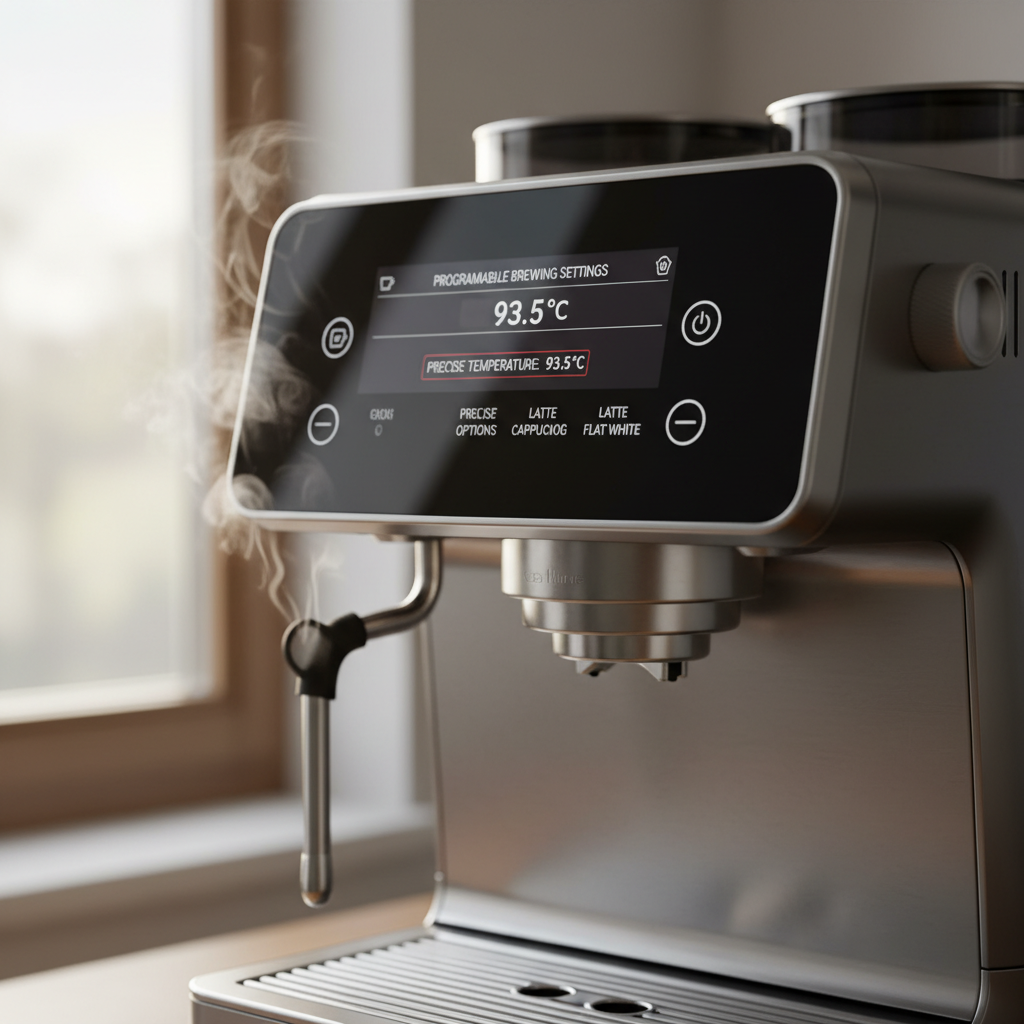
- Brewing Technology & Temperature Control: This is the most critical factor impacting taste. Consistent and precise temperature control (ideally between 195°F and 205°F / 90°C and 96°C) is vital for optimal extraction and creating café-quality drinks. Water that’s too cool results in under-extracted, sour coffee, while water that’s too hot leads to over-extracted, bitter flavors. Look for machines with thermoblock heaters or dual boilers for stability; dual boilers offer superior temperature stability for brewing and steaming simultaneously.
- Grind Settings & Integrated Grinders: For the freshest coffee, grinding beans just before brewing is paramount. Machines with integrated conical burr grinders offer ultimate convenience, ensuring you get a consistent grind size appropriate for your chosen brewing method (coarse for French press, fine for espresso). Blade grinders, which chop beans unevenly, should be avoided as they lead to inconsistent extraction and off-flavors.
- Milk Frothing & Steaming Capabilities: If lattes, cappuccinos, or flat whites are your go-to, robust milk frothing and steaming capabilities are a must. Options range from manual steam wands (offering complete control but requiring skill for velvety microfoam) to automatic systems like Philips’ LatteGo, which froth milk directly into your cup with minimal effort. These features transform your hot beverage machine into a personal café.
- Programmability & Smart Features: For ultimate convenience, programmable features are invaluable. An auto-start function lets you wake up to a freshly brewed pot. Pre-sets for different drink types (espresso, lungo, latte) simplify complex preparations. Some high-end machines even offer app control, allowing you to start brewing remotely or customize settings from your phone.
- Water Filtration & Reservoir Size: Clean, filtered water significantly impacts coffee taste (it’s over 98% of your cup!). Machines with built-in filtration reduce impurities and scale buildup, extending the machine’s life. Reservoir size determines how often you need to refill, a key convenience factor for both single cup coffee machines and multi-cup brewers.
- Capacity & Serving Size: Consider your household’s needs. Do you need a single cup coffee machine for your morning ritual, or a multi-cup carafe brewer for family and guests? Carafe material (glass vs. thermal) also affects temperature retention; thermal carafes keep coffee hot longer without cooking it.
- Material Quality, Durability, and Design Aesthetics: A coffee machine often sits prominently in the kitchen. High-quality materials like stainless steel not only look good but also contribute to durability and longevity. Consider the design aesthetics to ensure it complements your kitchen décor.
Understanding these features will empower you to discern marketing hype from genuine innovation, helping you invest in a machine that truly meets your expectations for both function and form.
Achieving Café-Quality & Premium Coffee at Home: Beyond the Machine
Even the most advanced coffee machine is only one part of the equation when it comes to delivering café-quality drinks and a truly premium coffee at home experience. The true secrets lie in understanding the raw ingredients and the subtle nuances of the brewing process.
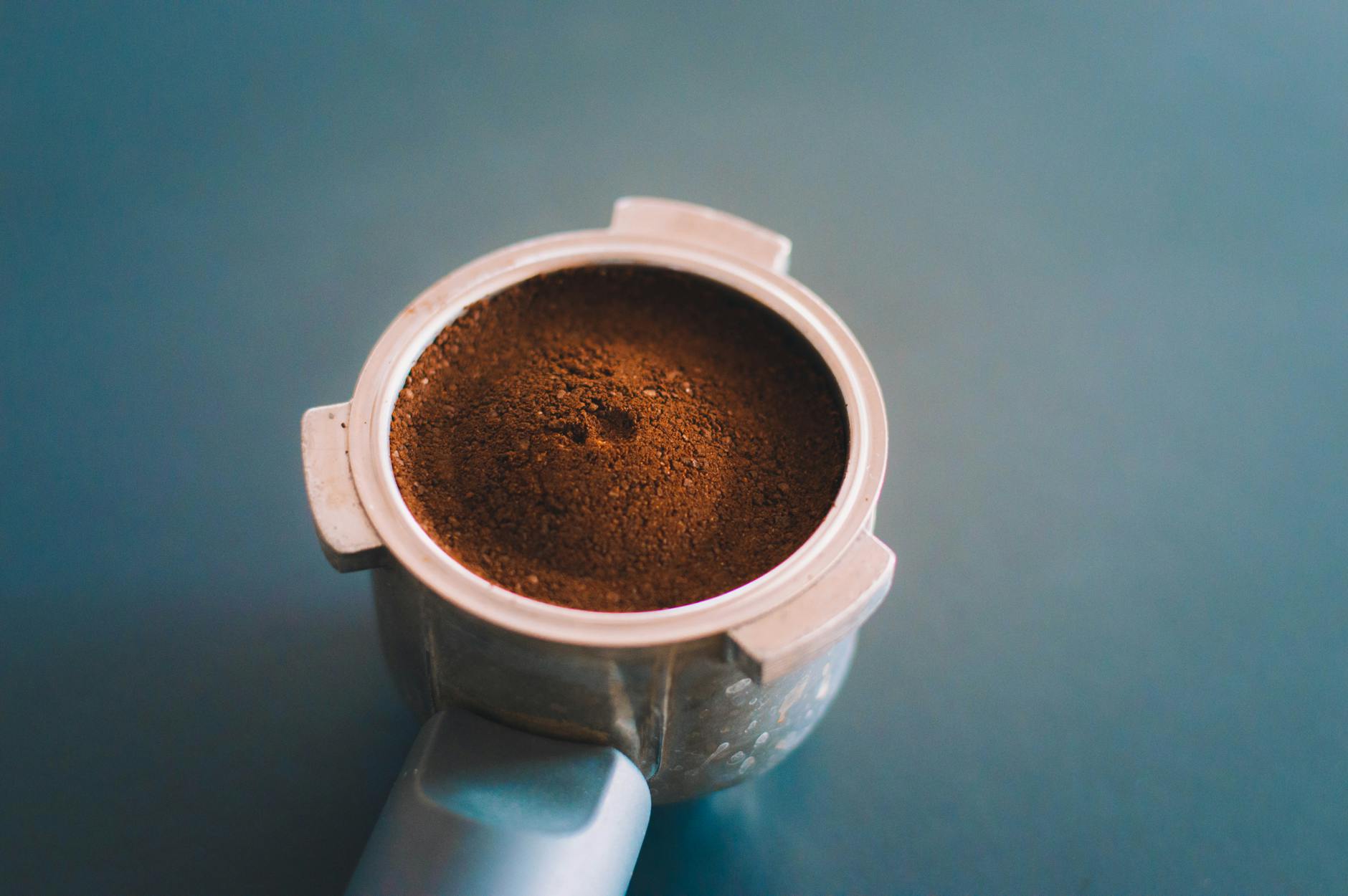
- The Unnegotiable Role of Freshness: This cannot be overstated. Coffee begins to degrade mere minutes after grinding. Selecting high-quality, whole beans roasted recently (ideally within 2-4 weeks) and grinding them fresh just before brewing are the single most impactful steps for optimal flavor. A good conical burr grinder is arguably the best investment you can make, even before a high-end machine.
- Water Quality & Temperature Precision: Often overlooked, water is over 98% of your coffee! Filtered water, free from strong odors or tastes, is crucial. As discussed, maintaining water temperature precision (90-96°C / 195-205°F) throughout the brewing cycle is critical for proper extraction, preventing both sour (under-extracted) and bitter (over-extracted) flavors.
- Understanding Extraction Methods:
- Pressure (espresso): High pressure forces hot water through finely ground, compacted coffee, rapidly extracting concentrated flavor. Achieving the perfect shot involves dialing in grind size, tamp pressure, and understanding extraction ratios (e.g., 1:2 coffee-to-yield in 25-30 seconds).
- Immersion (French press, cold brew): Coffee grounds steep in water for an extended period, allowing full flavor development.
- Drip (pour-over, automatic drip): Water passes through a bed of coffee grounds by gravity, extracting flavors as it flows. Mastering the specifics of your machine’s method and grind size is key to getting it right.
- Mastering Milk Frothing for Lattes and Cappuccinos: For luscious lattes and cappuccinos, the texture and temperature of your milk are paramount. Whether using a manual steam wand or an automatic system, aim for perfectly steamed milk that is sweet, velvety (microfoam), and heated to around 60-65°C (140-150°F). Avoid scalding the milk, which diminishes its sweetness.
- Expert Tips on Bean Selection, Roast Types, and Storage:
- Bean Selection: Explore single origins for unique flavor profiles or blends for balanced, consistent cups.
- Roast Types: Lighter roasts highlight acidity and fruit notes; medium roasts offer balance and sweetness; dark roasts bring out bold, smoky, and chocolatey flavors. Match the roast to your brewing method and personal preference.
- Storage: Store whole beans in an opaque, airtight container in a cool, dark place, away from heat and light. Avoid the refrigerator, as it can introduce moisture and odors.
By focusing on these elements—freshness, water, extraction, and milk—you’ll unlock an entirely new dimension of coffee enjoyment, transforming your daily ritual into a truly premium experience.
Pro Tip (Barista Insight): For pulling perfect espresso shots, remember the “golden rule”: a 1:2 coffee-to-yield ratio in approximately 25-30 seconds. For example, 18 grams of coffee should yield 36 grams of espresso in this timeframe. Adjust your grind finer if it’s too fast, coarser if too slow, aiming for a consistent, syrupy stream.
Ease of Use, Cleaning, and Maintenance: Maximizing Convenience
The best coffee machine isn’t just about the coffee it makes; it’s also about how seamlessly it integrates into your daily life. Ease of use, cleaning, and maintenance are critical factors that directly impact your long-term satisfaction and the longevity of your investment.
- One-Touch Operation vs. Manual Control: Consider your preferred level of involvement. One-touch automatic coffee machine functions offer unparalleled convenience, perfect for busy mornings. Manual control, on the other hand, provides greater customization and is ideal for those who enjoy the ritual of brewing. Balancing these two aspects is key to finding your sweet spot.
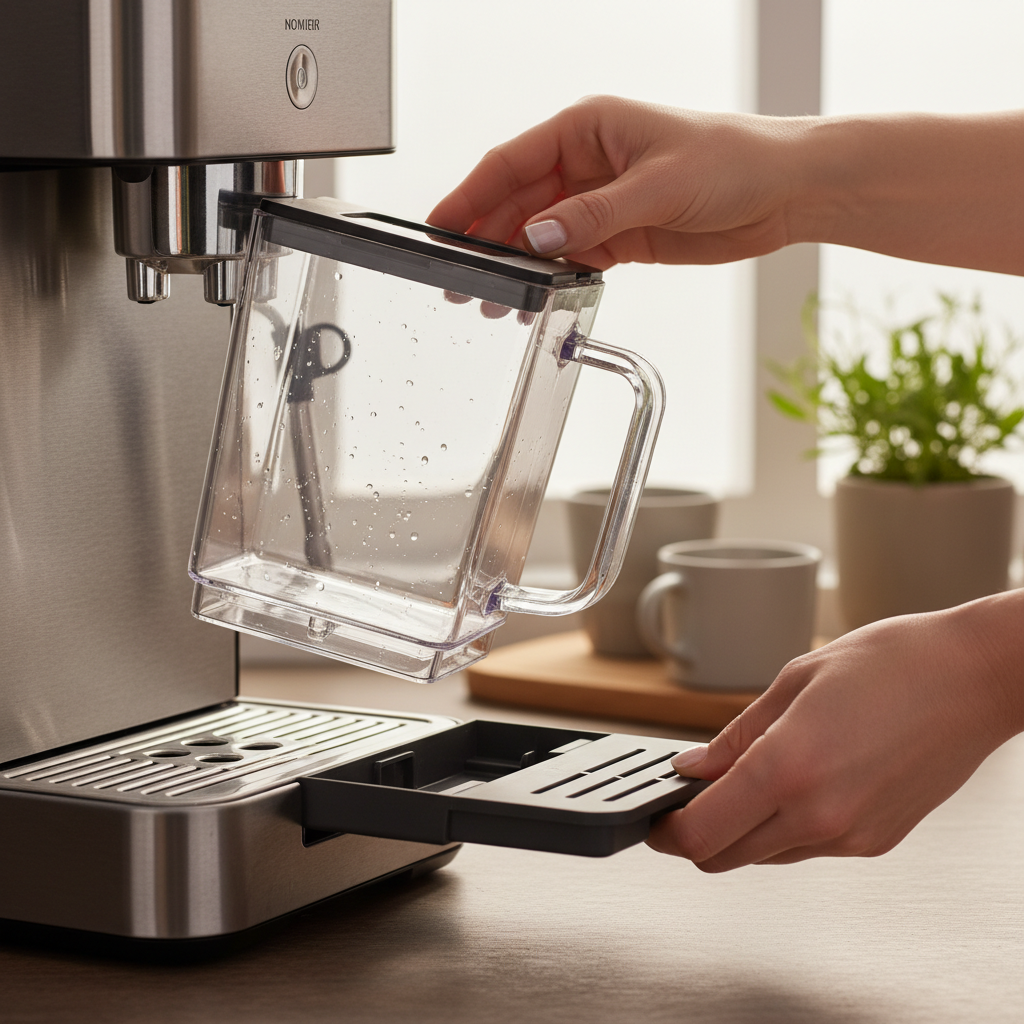
- Removable Parts & Dishwasher Safety: Cleaning shouldn’t be a chore. Look for machines with easily removable parts like brew groups, drip trays, and water reservoirs. Dishwasher-safe components are a huge bonus, significantly simplifying the cleaning process and encouraging regular maintenance.
- Descaling & Cleaning Cycles: All coffee makers, especially those using heated water, will accumulate mineral deposits (scale) over time. Automated descaling and cleaning cycles are invaluable features, guiding you through the process or even performing it for you. This proactive maintenance is crucial for preventing blockages, ensuring optimal performance, and extending the lifespan of your machine. Regular descaling is often the most important factor in a machine’s longevity, especially in areas with hard water.
- Intuitive User Interfaces & Displays: A clear, user-friendly interface can make a world of difference. Touchscreens, clear LCD displays, and logically arranged buttons enhance the daily user experience, making it easy to select options, adjust settings, and understand error messages.
- Noise Levels During Operation: An often-overlooked aspect, especially for those with open-plan living spaces or early risers. Some grinders or pumps can be surprisingly loud. If noise is a concern, seek out reviews that specifically mention operational sound levels.
- Troubleshooting Common Issues: Even the best machines can encounter minor hiccups. Familiarize yourself with common issues (e.g., weak coffee, leaks, grinder jams) and look for machines with readily available troubleshooting guides or responsive customer support.
Prioritizing these practical considerations will ensure your coffee machine remains a joy to use, rather than a source of frustration, for years to come.
Simplified Maintenance Schedule for Automatic Coffee Machines
Maintaining your automatic coffee machine ensures longevity and consistently delicious coffee. Here’s a streamlined cleaning schedule:
- Daily: Rinse drip tray, empty spent coffee grounds container (if applicable), refill water reservoir. Wipe down exterior.
- Weekly: Wash brew group (if removable), drip tray, and water tank with mild soap and water. Clean milk system components thoroughly.
- Monthly (or as indicated by machine): Perform a descaling cycle using a manufacturer-approved descaling solution. This removes mineral buildup critical for machine health and taste.
- As Needed: Clean integrated grinder burrs (if accessible) to remove oil buildup.
Choosing Your Ideal Coffee Machine: A Tailored Buyer’s Guide
Navigating the vast selection of coffee machines can feel daunting, but by adopting a structured approach, you can confidently find the best coffee machine to buy that perfectly matches your lifestyle and preferences.
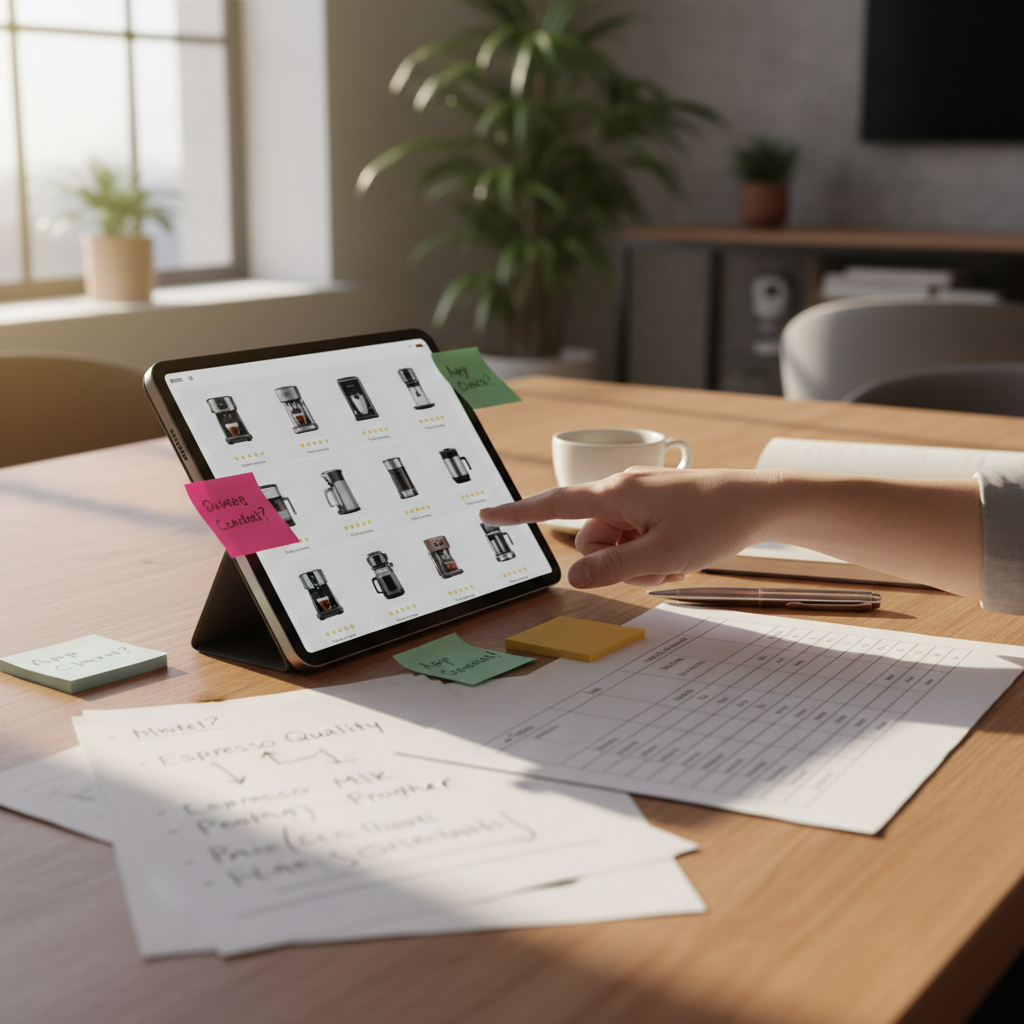
- Assess Your Coffee Habits: This is your essential starting point.
- How often do you drink coffee? Daily, occasionally, or multiple times a day? This dictates durability and convenience needs.
- What types of drinks do you prefer? Black coffee, espresso, lattes, cappuccinos, cold brew? This directly informs machine type.
- For one person or a household? This will dictate capacity needs, from a single cup coffee machine to a large carafe brewer.
- Budget Considerations: Be realistic about your investment, understanding that higher price often means more robust build quality and advanced features.
- Initial Cost: Coffee machines range from under $100 to well over $2000.
- Ongoing Maintenance: Factor in filters, cleaning solutions, and descaling tablets.
- Pod/Bean Expenses: Pods are convenient but generally more expensive per cup than whole beans.
- Space & Design: Your kitchen’s layout matters.
- Countertop Footprint: Measure your available space.
- Aesthetic Integration: Choose a machine whose design complements your kitchen’s style.
- Importance of Warranty & Customer Support: These provide peace of mind for a significant appliance purchase.
- A good warranty (typically 1-2 years) protects against defects.
- Responsive customer support is crucial for troubleshooting or spare parts.
- Leveraging Reliable Reviews or Comparisons: Before making a decision, dive into reviews of the top-rated coffee machines on the market. Look for transparent testing methodologies, similar to Wirecutter, that provide data-backed performance metrics like brew consistency, temperature stability, and extraction yield. Pay attention to user feedback on specific features you care about.
- Understanding Certifications and Data-Backed Performance Metrics for E-E-A-T: Seek out machines with recognized certifications (e.g., SCA Certified Home Brewer for drip machines) or clear performance data on temperature consistency, brew time, and extraction yield. This commitment to Expertise, Experience, Authoritativeness, and Trustworthiness (E-E-A-T) ensures you’re investing in a genuinely high-performing appliance, not just marketing claims.
By systematically evaluating these factors, you’ll gain clarity and confidence in selecting the perfect coffee machine to enrich your daily routine.
Top-Rated Coffee Machines for 2024/2025: Expert Picks & Comparisons
Based on rigorous testing, hands-on experience, and in-depth expert analysis, we’ve curated a list of the best coffee makers and espresso machines that consistently deliver exceptional results. Our selections are grounded in transparent testing methodologies, similar to Wirecutter, focusing on performance, durability, ease of use, and overall value.
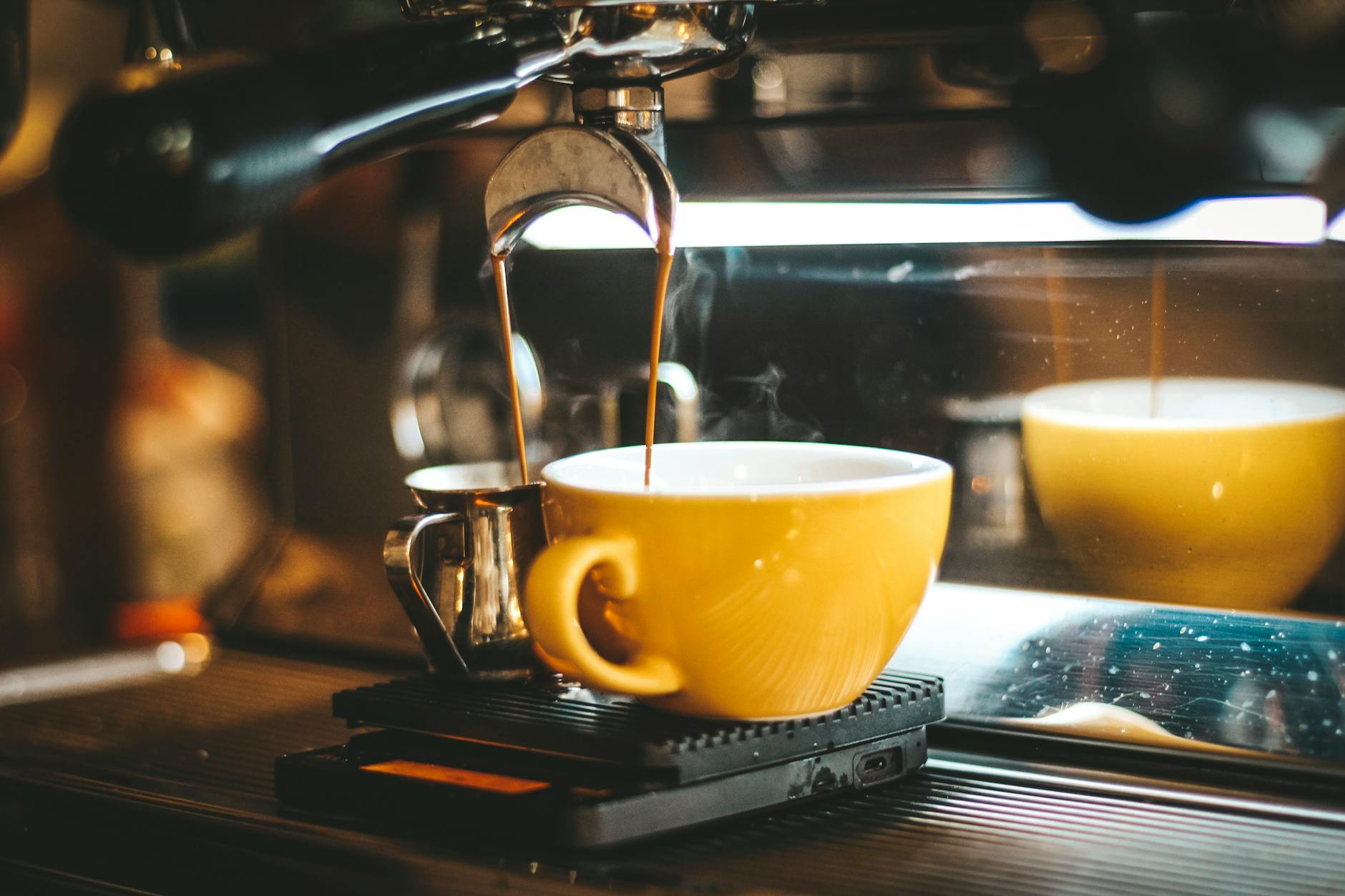
Here’s a comparison of some top-rated coffee machines, highlighting their strengths for different user needs:
| Machine Model | Type | Key Strengths | Ideal User Profile | Price Range |
|---|---|---|---|---|
| Philips LatteGo 5500 Series | Fully Automatic | One-touch café drinks, easy-clean milk system, consistent premium coffee. | Busy professionals, latte/cappuccino lovers seeking convenience. | $$$$ |
| Breville Barista Express Impress | Semi-Automatic Espresso | Integrated grinder with intelligent dosing, assisted tamping, manual control. | Aspiring home baristas ready to learn espresso craft. | $$$ |
| Keurig K-Elite Coffee Maker | Single-Serve Pod | Speed, variety, strong brew, iced coffee option. | Individuals, offices, those prioritizing ultimate convenience. | $$ |
| Cuisinart DCC-3200P1 Perfectemp | Automatic Drip | Programmable, brew strength control, optimal temperature, excellent value. | Everyday coffee drinkers, budget-conscious households. | $ |
| Technivorm Moccamaster KBGV Select | Automatic Drip (SCA Certified) | Precise temperature, optimal brew time, exceptional flavor clarity. | Drip coffee connoisseurs, purists seeking café-quality black coffee. | $$$$ |
- Best Overall Automatic Coffee Machine: Philips LatteGo 5500 Series
- Why we love it: This machine delivers unparalleled convenience and quality. Its innovative LatteGo system froths milk to perfection without tubes, making cleanup a breeze. It offers a wide variety of café-quality drinks at the touch of a button, from espresso to lattes, consistently producing premium coffee at home.
- Best Espresso Machine for Home Baristas: Breville Barista Express Impress
- Why we love it: For those seeking the ultimate control and café-quality drinks, the Breville Barista Express Impress offers an integrated conical burr grinder with intelligent dosing, precision volumetric control, and assisted tamping. It bridges the gap between manual and automatic, empowering you to master the art of espresso with exceptional consistency.
- Best Single-Serve Coffee Maker: Keurig K-Elite Coffee Maker
- Why we love it: Combining variety and speed, the Keurig K-Elite stands out with its strong brew option, iced coffee setting, and hot water on demand. It accommodates various K-Cup pod sizes and offers a large water reservoir, making it perfect for busy mornings and households needing quick, customizable single-serve options. Lavazza’s single cup coffee machine options also offer compelling flavor profiles for discerning users seeking richer Italian profiles.
- Best Budget-Friendly Option: Cuisinart DCC-3200P1 Perfectemp
- Why we love it: This automatic drip coffee maker consistently delivers quality brews without breaking the bank. With programmable features, brew strength control, and advanced heating technology for optimal temperature, it provides excellent value for everyday coffee drinkers, proving you don’t need to spend a fortune for a good cup.
- Best for Café-Quality Drip Coffee: Technivorm Moccamaster KBGV Select
- Why we love it: Hand-made in the Netherlands, this machine is certified by the Specialty Coffee Association (SCA) for its precise temperature control (maintaining 196°-205°F) and optimal brew time (4-6 minutes). It ensures a consistently delicious, flavorful cup of drip coffee that rivals what you’d find in a high-end café, highlighting the nuanced notes of your beans.
Our detailed comparison tables and justifications provide transparent insights for each recommendation, highlighting key specifications, performance metrics, and ideal user profiles, ensuring you find a machine tailored to your exact needs.
Frequently Asked Questions
What’s the most important factor for good-tasting coffee at home?
The single most important factor is freshly ground, high-quality whole beans. Even an expensive machine can’t make stale, pre-ground coffee taste great. Investing in a good burr grinder and fresh beans will elevate your coffee experience more than any other single upgrade.
How often should I clean and descale my coffee machine?
Cleaning frequency depends on usage and water hardness. Generally, rinse removable parts daily, perform a thorough cleaning (like washing the brew group or drip tray) weekly, and descale (removing mineral buildup) every 1-3 months. Regular maintenance is crucial for optimal taste and extending your machine’s life.
Can I use any coffee beans in an espresso machine?
While you can technically use any beans, for the best results, we recommend freshly roasted espresso beans (often darker roasts or specific espresso blends). The grind size is also critical; espresso requires a very fine, consistent grind to achieve proper extraction under pressure. Using very oily beans repeatedly can also clog internal grinders in automatic machines, so always check your machine’s recommendations.
Is a more expensive coffee machine always better?
Not necessarily. A higher price often indicates more advanced features (e.g., pressure profiling, smart connectivity), premium materials, or superior build quality, which can lead to a more consistent or customizable brew. However, an expensive machine won’t compensate for poor quality beans or incorrect brewing techniques. Focus on machines that offer the best features and performance for your specific needs and preferred brewing method within your budget, rather than simply chasing the highest price tag.
What’s the difference between a thermoblock and a boiler in an espresso machine?
A thermoblock is a fast-heating aluminum block with a narrow water channel, heating water on demand. It’s quicker to heat up and more energy-efficient, often found in smaller or semi-automatic machines. A boiler (or dual boilers) stores and heats a larger volume of water in a tank. Boilers offer more stable temperature control, which is crucial for high-quality espresso and steaming milk simultaneously, often found in higher-end or commercial machines.
Conclusion: Your Perfect Brew, Perfectly Chosen
We’ve navigated the intricate world of coffee machines, from understanding diverse types and their defining features to uncovering the secrets behind achieving café-quality and premium coffee at home. You now possess the knowledge to confidently assess your needs, evaluate machine capabilities, and make an informed decision.
Empowered with these insights, you are ready to confidently choose the best coffee machine for your unique preferences, lifestyle, and budget. Remember, the perfect brew is a personal journey—one where scientific precision meets sensory delight. Explore the specific categories and products that resonated most with you, experiment with different beans and techniques, and let your daily coffee ritual become a source of consistent pleasure and fresh discovery.