The Pour Over Perfectionist’s Handbook: Unlocking Exceptional Flavor Through Bean Selection
Tired of merely good pour over coffee when you know extraordinary is within reach? If you’ve embraced the art of manual brewing, meticulously dialing in your grind and perfecting your pour, but still feel there’s a missing spark in your cup, this guide is for you. You understand that pour over isn’t just a brewing method; it’s a window into the soul of a coffee bean, where every nuanced characteristic is amplified, for better or worse.
Choosing the right coffee beans for pour over isn’t about chasing trends; it’s about understanding the intricate dance between bean characteristics and this precise brewing technique. Generic beans might offer comfort, but the truly exceptional ones will transform your daily ritual into a daily revelation, revealing clarity, depth, and a spectrum of flavors you never knew existed.
At Home Brew Log, we’re your friendly coffee nerds, fueled by countless hours of experimentation. We’ve wrestled with variables, tasted endless brews, and documented our findings to demystify specialty coffee. In this comprehensive guide, we’ll strip away the snobbery and equip you with the expert insights needed to select beans that genuinely sing through pour over. We’ll dive into flavor profiles, roast levels, the profound impact of origin and processing, and share our meticulously curated recommendations—all backed by our hands-on testing methodology.
Ready to refine your palate and redefine your pour over standard? Let’s dive into the science and art of bean selection!

Understanding Pour Over Coffee: Why It Demands Specific Beans
Pour over brewing is a precise method that highlights a coffee’s inherent flavor clarity, delicate aromatics, and often a vibrant, clean finish by slowly passing water through a bed of grounds.
This method stands apart from immersion techniques like French press by carefully washing soluble flavor compounds from the grounds, leaving behind insolubles and minimizing sediment. This selective extraction process results in a cup that feels lighter on the palate, yet intensely flavorful and aromatic. It’s a method designed to let the coffee’s unique personality shine through.
The symbiotic relationship between pour over technique and bean characteristics is profound. The controlled flow and specific contact time mean that certain bean attributes—like bright acidity, delicate floral notes, or subtle fruity undertones—are exquisitely showcased. A bean that might taste merely “good” in an automatic drip machine can absolutely sing when meticulously brewed with a pour over. This makes bean selection not just important, but critical for unlocking the full potential of your brew.
For those eager to deepen their understanding of how different brewers like the V60, Chemex, and Kalita Wave influence the pour over cup, we have a detailed guide on the unique profiles each can create.
Key Characteristics of Ideal Pour Over Coffee Beans
The “best” beans for pour over aren’t a secret, but rather a set of characteristics that consistently deliver exceptional clarity, complexity, and a clean finish.
Flavor Profiles & Characteristics: What to Look For
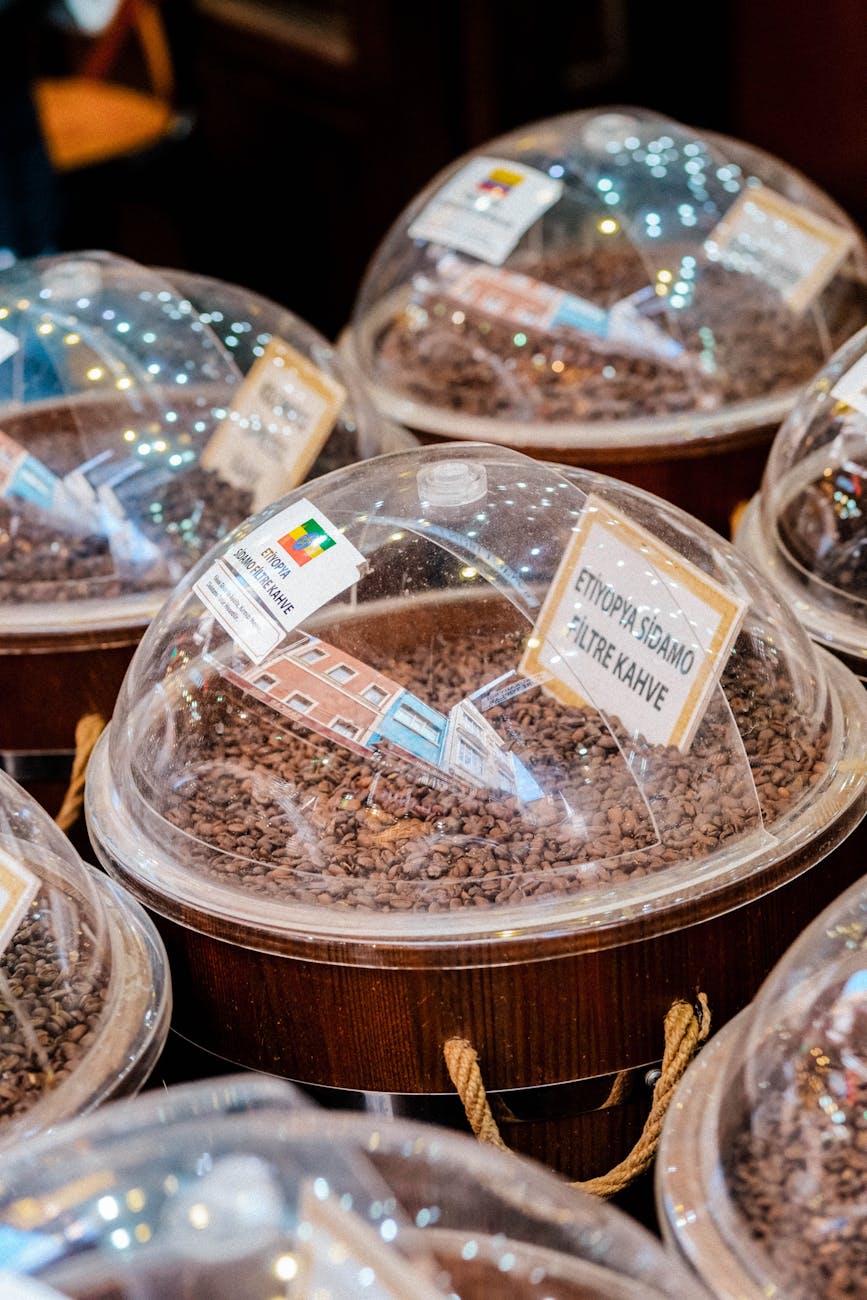
For a pour over that truly excels, we’re seeking beans that exhibit specific sensory attributes:
- Vibrant Acidity: Not a sour puckering, but a pleasant, often fruit-like tartness that adds life and sparkle. Think crisp citrus, juicy berries, or even a subtle malic (apple-like) acidity.
- Complex Aromatics: Delicate floral notes (jasmine, rose), layered fruity nuances (berries, stone fruit, tropical fruit), or even subtle spice (cinnamon, cardamom). These unfold beautifully in a pour over’s clean canvas.
- Clean Finish: The taste should dissipate pleasantly, leaving no lingering bitterness or astringency. This is the hallmark of a well-executed pour over and high-quality beans.
- Medium Body: While some pour over beans can have a lighter body, a well-balanced medium body provides a satisfying mouthfeel without overwhelming the delicate flavors.
These characteristics allow the specific terroir and processing of the bean to truly shine, creating a dynamic and engaging cup.
Roast Level Analysis: The Pour Over Sweet Spot
The roast level is a critical determinant of your pour over’s flavor. Generally, light to medium-light roasts are ideal.
| Roast Level | Characteristics | Best For Pour Over? | Typical Flavor Profile |
|---|---|---|---|
| Light Roast | Minimally roasted, preserving origin characteristics and delicate aromatics. | Highly Recommended | Vibrant acidity, floral, complex fruit, tea-like finish. |
| Medium Roast | Roasted longer, developing sweetness and body while retaining some origin. | Recommended | Balanced, caramel, chocolate, mild fruit, good body, less extreme acidity. |
| Medium-Dark Roast | More developed sugars, some roast character, less origin clarity. | Less Suitable | Dark chocolate, roasted nuts, hint of spice, reduced acidity. |
| Dark Roast | Roasted until oils surface, dominant smoky/bitter notes, origin masked. | Not Recommended | Smoky, bitter, heavy body, very low acidity, often oily. |
Why light to medium-light roasts excel:
- Light Roasts: These preserve the most origin characteristics, highlighting vibrant acidity, floral notes, and complex fruit flavors. They produce a brighter, more nuanced cup, perfect for the clarity pour over offers.
- Medium Roasts: A well-executed medium roast can offer a beautiful balance of origin characteristics and developed sweetness (caramel, chocolate). They tend to have a bit more body and roundness than light roasts, while still maintaining good clarity.
Pro Tip: While dark roasts can be brewed with pour over, our experiments consistently show that their pronounced roasty, smoky, or bitter notes tend to dominate, masking the very nuances that pour over is designed to reveal. If you love dark roasts, try them in an immersion brewer first to appreciate their inherent character.
For those eager to deepen their understanding of how light, medium, and dark roasts profoundly impact the flavor and brewing characteristics of your coffee, explore our in-depth guide on roast levels.
Origin & Varietal Impact: The Story in Your Cup
The origin, varietal (the specific type of coffee plant), and processing method profoundly influence a bean’s flavor profile. Understanding these elements unlocks the “story” in your cup:
- Ethiopia: Often known for bright, complex, floral, and fruity notes (blueberry, jasmine, citrus). Washed Ethiopians tend to be more floral and tea-like, while Naturals are often intensely fruity. These are frequently among our top recommendations for pour over due to their inherent complexity and clarity.
- Kenya: Expect bold, winey acidity, often with notes of blackcurrant, tomato, or grapefruit. Kenyan coffees are vibrant and punchy, offering a structured sweetness that is beautifully translated by pour over.
- Colombia: Typically offers a balanced profile with pleasant acidity, notes of caramel, chocolate, and sometimes mild fruit. High-altitude Colombian beans, especially from regions like Nariño or Huila, can deliver exceptional sweetness and complexity in a pour over.
- Central America (e.g., Costa Rica, Guatemala, Honduras): Often present a clean cup with notes of chocolate, nuts, and citrusy acidity. Great for a reliable, satisfying pour over with a comforting, approachable profile.
- Gesha/Geisha Varietal: Renowned for its extraordinary floral, jasmine, bergamot, and tropical fruit notes, often commanding premium prices. An exceptional pour over experience, designed for maximum flavor transparency.
The processing method (e.g., washed, natural, honey) also dictates much of the flavor. Washed coffees are typically cleaner and brighter, emphasizing acidity. Natural processed coffees often exhibit more intense fruitiness and body. Honey processed coffees fall somewhere in between, offering sweetness with good clarity.
Single Origin vs. Blends: A Matter of Intent
- Single Origin: These beans come from a single farm, region, or country. They are fantastic for showcasing the unique terroir and specific characteristics of that particular coffee. If you want to explore distinct flavor profiles and appreciate the nuances of different origins, single origins are your go-to for pour over, offering a direct connection to the coffee’s provenance.
- Blends: While often associated with espresso for consistency, a well-crafted light-to-medium roast blend can also make an excellent pour over. Roasters design blends to achieve a specific, balanced flavor profile that might not be found in a single origin, or to offer consistency year-round. They can provide a more rounded or accessible cup. For pour over, single origins often allow for a more adventurous and distinct flavor journey.
Freshness & Quality: The Non-Negotiable Foundation
No matter how perfect the origin or roast level, if your beans aren’t fresh, your pour over won’t be its best. Freshly roasted, high-quality beans are non-negotiable.
- Roast Date: Always look for a roast date on the bag. Aim to brew beans within 2-4 weeks of their roast date for optimal flavor development. Coffee beans degas (release CO2) for several days after roasting; brewing too soon might result in uneven extraction, while brewing too late means the delicate aromatics have begun to fade.
- Whole Beans: Always buy whole beans and grind them just before brewing. Pre-ground coffee stales rapidly as more surface area is exposed to oxygen.
The world of single-origin coffee is vast and thrilling. Each region offers a unique story and flavor profile, waiting to be discovered through your pour over brewer. To deeply explore the distinct flavors and characteristics that various coffee-growing regions impart to their beans, check out our guide to the best single-origin coffee beans for pour over by region.
Top Recommendations: Our Current Favorite Pour Over Coffee Beans
As passionate brewers and coffee nerds, we’ve spent countless hours experimenting, tasting, and debating the merits of various beans. We believe in sharing what we’ve learned, and here are our tried-and-tested recommendations that consistently deliver exceptional pour over experiences. These aren’t just “good” beans; they are beans that truly sing through the pour over method, highlighting clarity, complexity, and distinct flavor.
Curated ‘Best Of’ List with Detailed Profiles
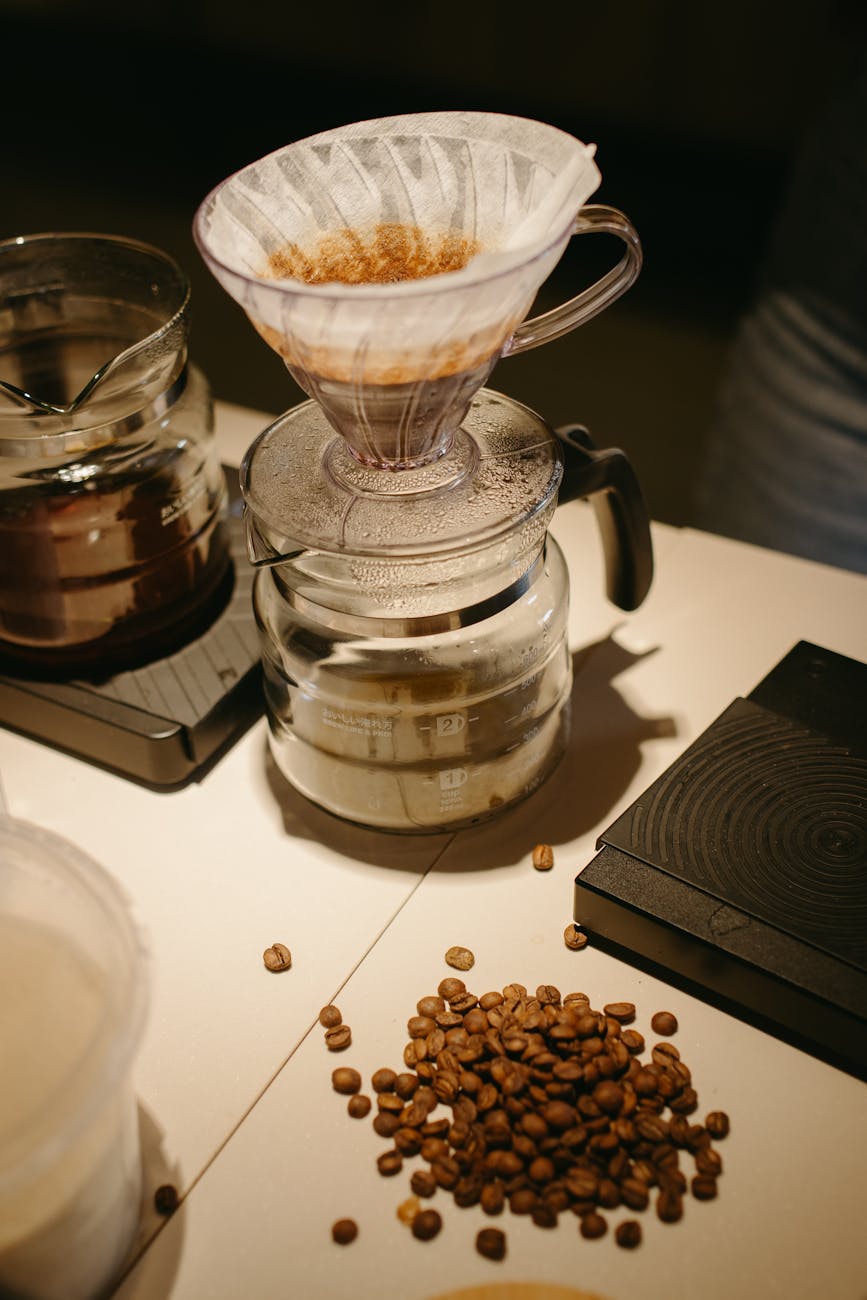
Our top picks focus on single-origin beans that excel in pour over, celebrated for their unique characteristics and the transparent cup they yield.
-
Ethiopian Yirgacheffe (Washed Process, Light Roast)
- Origin: Yirgacheffe region, Ethiopia
- Processing: Washed
- Flavor Notes: Bright lemon zest, delicate jasmine florals, sweet bergamot, a hint of peach. Exceptionally clean and tea-like finish.
- Why it’s great for Pour Over: The washed process enhances Yirgacheffe’s inherent clarity, making it a masterclass in vibrant acidity and complex aromatics. Pour over brings out its ethereal floral notes like no other method, creating a quintessential “bright and clean” cup.
-
Kenyan AA (Washed Process, Medium-Light Roast)
- Origin: Nyeri or Kirinyaga County, Kenya
- Processing: Washed
- Flavor Notes: Intense blackcurrant, tangy grapefruit, dark berry sweetness, a structured, wine-like acidity. Full-bodied for a light roast.
- Why it’s great for Pour Over: Kenyan coffees are renowned for their bold, complex acidity and unique fruit notes. Pour over beautifully showcases their vibrant punch and rich, mouth-coating texture without any muddiness. A fantastic choice for those who love a “fruity and bold” cup that fills the palate.
-
Colombian Geisha (Washed or Natural Process, Light Roast)
- Origin: Various high-altitude farms in Colombia (e.g., Huila, Nariño)
- Processing: Can be Washed or Natural, both exceptional
- Flavor Notes: Depending on processing, expect profound sweetness, notes of ripe mango, papaya, subtle vanilla, and often a delicate floral bouquet (especially washed).
- Why it’s great for Pour Over: While a premium varietal, Colombian Geisha offers incredible complexity and elegance. Pour over is the ideal method to unlock its full spectrum of exotic fruit and floral notes, revealing layer after layer of nuanced flavor. This is truly a “luxurious and exotic” experience that justifies the hype.
-
Costa Rican Tarrazú (Washed Process, Medium Roast)
- Origin: Tarrazú region, Costa Rica
- Processing: Washed
- Flavor Notes: Balanced notes of milk chocolate, toasted almonds, bright orange acidity, and a creamy mouthfeel. Exceptionally smooth and approachable.
- Why it’s great for Pour Over: Tarrazú coffees offer a classic, comforting, yet refined pour over. Their inherent balance makes them incredibly versatile. The medium roast develops a lovely sweetness without sacrificing clarity, resulting in a cup that’s both “balanced and approachable”—a superb daily driver.
Recommendations by Desired Flavor Profile
Sometimes you know the taste you’re chasing, even if not the exact origin. Here are our recommendations based on common desired taste profiles, refined through extensive brewing:
- For Bright & Clean Cups (Citrus, Floral, Tea-like): Look for Washed Ethiopian (e.g., Yirgacheffe, Sidamo), Washed Rwandan, or some exquisite Panama Geishas. These beans prioritize clarity and delicate aromatics, offering a truly refreshing cup.
- For Fruity & Complex Cups (Berries, Stone Fruit, Tropical): Explore Natural Process Ethiopians (e.g., Guji, Sidamo), lighter roasted Natural Process Brazilians, or Kenyan coffees. These deliver a sweeter, more intense fruit experience, often with a richer body.
- For Balanced & Smooth Cups (Chocolate, Caramel, Nutty): Seek out Washed Colombian (e.g., Supremo, Excelso), Honduran, or Guatemalan coffees, typically roasted to a medium level. These provide a comforting, consistent flavor that’s both satisfying and easy to love.
- For Bold & Punchy Cups (Winey, Tart, Full-Bodied): Kenyan coffees are unparalleled here. Their unique, almost aggressive acidity and deep fruit notes stand out vividly in a pour over, creating a memorable, vibrant cup.
Optimizing Your Pour Over: Beyond Just the Beans
Selecting the perfect beans is foundational, but it’s only half the story. To truly unlock their full potential, you must master the other critical variables in your pour over brewing process. Think of us as your helpful coffee nerd friend, ready to show you why precision makes all the difference!
Grind Size and Consistency: The Unsung Hero
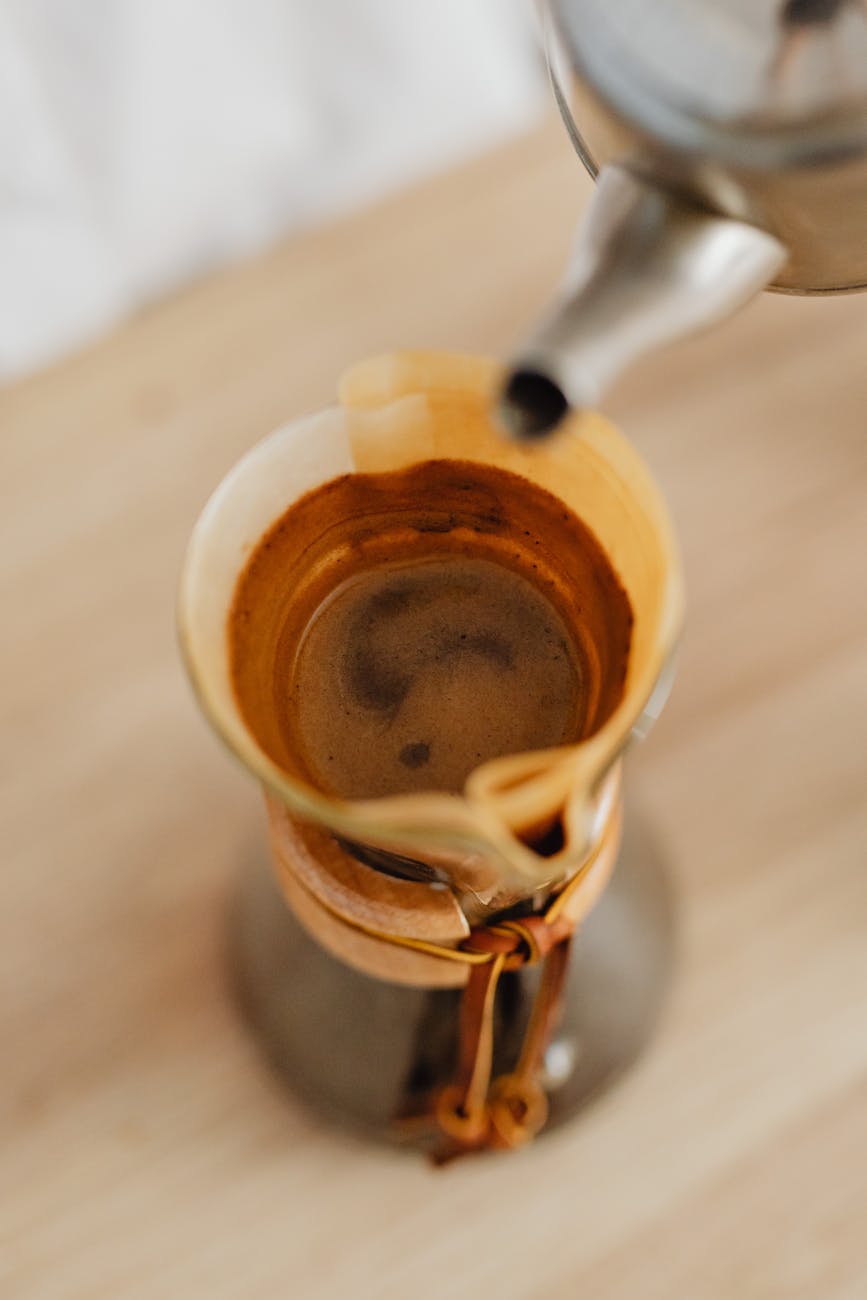
For pour over, your grind size should be medium-fine to medium, resembling coarse sand or fine sea salt, but consistency is paramount.
Why it matters:
- Too fine: Leads to over-extraction, resulting in a bitter, astringent, and often murky cup. The water flow will also be too slow.
- Too coarse: Leads to under-extraction, producing a weak, sour, and watery cup. The water will pass through too quickly.
- The Goal: An even grind ensures that all coffee particles extract at a similar rate, leading to a balanced and delicious cup. Investing in a quality burr grinder (not a blade grinder!) is the single best upgrade you can make after choosing great beans.
Pro Tip: For lighter, denser beans, we often find a slightly finer grind than usual can unlock more sweetness and complexity without increasing bitterness. Don’t be afraid to creep slightly finer if your light roast tastes underdeveloped.
Ideal Pour Over Coffee Ratio: The Golden Rule
Precision is our friend here. The ideal coffee-to-water ratio for pour over typically ranges from 1:15 to 1:17. This means for every 1 gram of coffee, you use 15 to 17 grams of water.
- Example: For a standard 250ml (250g) cup of coffee, you’d use roughly 15-16 grams of coffee (250g / 16 = 15.6g).
- Why it matters: This ratio is the foundation of your coffee’s strength and flavor concentration. Too much coffee, and it’s overwhelmingly strong; too little, and it’s weak and thin. Start with 1:16 and adjust slightly to your preference. A digital scale is essential for accuracy!
Pro Tip: When experimenting with intensely bright, high-acidity beans (like many Kenyans or natural Ethiopians), sometimes a slightly tighter ratio (e.g., 1:15 or 1:14.5) can help balance the acidity with a bit more body and sweetness, making the cup feel fuller without losing clarity.
Water Temperature: The Heat of the Moment
Water temperature significantly impacts extraction. The sweet spot for pour over is usually between 90°C and 96°C (195°F to 205°F).
Why it matters:
- Too hot: Can scald the coffee grounds, leading to bitterness and over-extraction, stripping delicate notes.
- Too cold: Prevents sufficient extraction, resulting in a sour, undeveloped, and weak cup, leaving many desirable flavors behind.
- Tip: If you don’t have a thermometer, bring your kettle to a full boil and then let it sit for about 30-60 seconds off the heat. This usually brings it into the ideal range.
Pro Tip: For very light roasts, especially dense Ethiopian or Kenyan beans, don’t shy away from the higher end of the temperature spectrum (94-96°C). Our testing shows that these beans often require more energy for optimal extraction, and hotter water can help unlock their full sweetness and complexity without introducing harshness, provided your grind is dialed in.
Equipment Essentials: The Tools of the Trade
While we focus on beans, a quick nod to the gear that makes the magic happen:
- Gooseneck Kettle: Crucial for controlled, even pouring.
- Pour Over Dripper (e.g., V60, Chemex, Kalita Wave): Each has subtle differences affecting flow rate and extraction.
- Digital Scale with Timer: For precise measurements of coffee and water, and to track brew time.
- Burr Grinder: As mentioned, non-negotiable for consistent grind size.
Brewing Tips for Delicious Pour Over: Bringing It All Together
Integrating your bean selection with these variables is where the artistry truly begins:
- Pre-wet Filter: Rinse your paper filter with hot water before adding coffee grounds. This removes any paper taste and preheats your dripper.
- Bloom: After adding your freshly ground coffee, pour just enough hot water (about 2x the coffee weight, e.g., 30g water for 15g coffee) to saturate the grounds evenly. Let it sit for 30-45 seconds. This allows gases to escape, leading to a more even extraction.
- Controlled Pours: After the bloom, continue pouring water slowly and steadily in concentric circles, ensuring all grounds are saturated. Avoid pouring directly onto the filter paper. Maintain a consistent water level without letting the coffee bed dry out completely between pours.
- Target Brew Time: Depending on your dripper and desired result, aim for a total brew time of 2:30 to 4:00 minutes. Adjust grind size if your brew time is too fast or too slow.
By paying attention to these details, you’re not just brewing coffee; you’re conducting a carefully orchestrated experiment that yields consistently delicious results. For a deeper dive into our ultimate guide to coffee grind sizes, regardless of the brewing method, we’ve got you covered.
Troubleshooting Common Pour Over Challenges
Even with the best beans and technique, things can go awry. Here’s our quick troubleshooting guide from the Home Brew Log:
- Cup Tastes Too Sour/Under-extracted: This often means not enough flavor compounds were extracted.
- Solution: Try a finer grind, increase water temperature slightly, or extend brew time by pouring slower.
- Cup Tastes Too Bitter/Over-extracted: Too many undesirable compounds were extracted.
- Solution: Try a coarser grind, decrease water temperature slightly, or shorten brew time by pouring faster.
- Brew Time is Too Fast: Water is flowing through the coffee bed too quickly.
- Solution: Finer grind, ensure even bed preparation (no channels), or try a dripper with a slower flow rate (e.g., Kalita Wave vs. V60).
- Brew Time is Too Slow: Water is getting bogged down in the coffee bed.
- Solution: Coarser grind, ensure bloom is thorough, avoid pouring directly onto the walls of the filter which can cause clogging, or check for too much “fines” in your grinder.
- Muddiness/Sediment: While pour over is known for cleanliness, too much fines can still lead to this.
- Solution: Ensure your burr grinder is clean and well-calibrated. Consider gently shaking your ground coffee in a sieve to remove micro-fines if using a lower-end grinder.
How We Chose: Our Expert Review & Evaluation Methodology
At Home Brew Log, transparency and trust are paramount. When we recommend coffee beans, it’s not based on fleeting trends or marketing hype, but on a rigorous, data-driven, and truly hands-on evaluation process that embodies our “Helpful Coffee Nerd” persona and commitment to quality. Our recommendations aren’t just opinions; they’re conclusions drawn from dedicated experimentation and collective experience.
EEAT Signals: Our Collective Expertise
Our insights come from a team deeply immersed in the world of coffee. We are not just casual drinkers; we are a collective of experienced home baristas, avid experimenters, and passionate coffee enthusiasts who live and breathe brewing. Our “logbook” is filled with years of accumulated knowledge, countless brewing iterations, and a dedication to understanding coffee at a molecular level. We are the friends who bought the coffee scale and aren’t afraid to use it – and share why it makes a difference. Our mission is to demystify complex coffee concepts with accessible, enthusiastic, and reliable information.
Hands-on Testing & Review Methodology
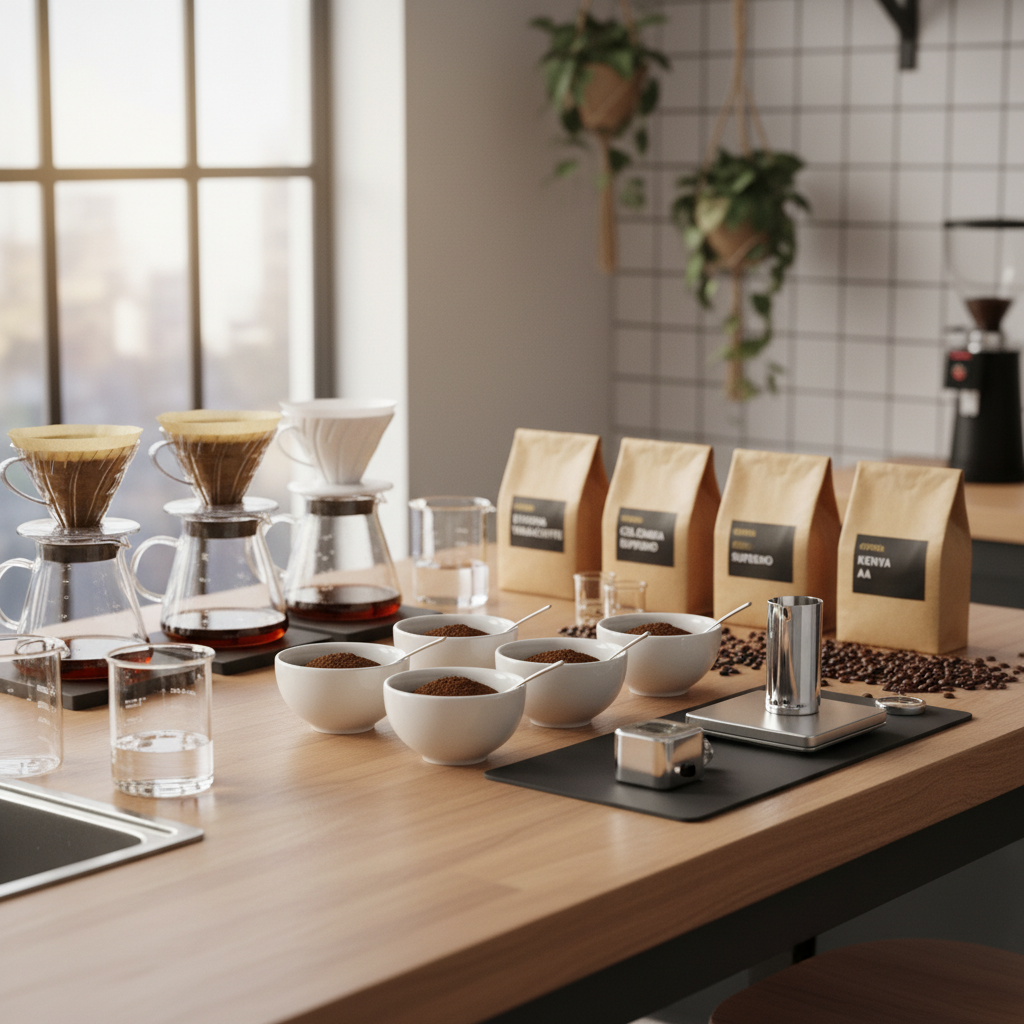
Every bean that makes it onto our “recommended” list undergoes a stringent evaluation process specifically tailored for pour over brewing:
- Controlled Sourcing: We source beans directly from reputable roasters who provide detailed information on origin, varietal, processing, and roast date. Freshness is always prioritized.
- Multiple Brew Parameters: For each bean, we conduct multiple brewing sessions using various pour over drippers (V60, Chemex, Kalita Wave) to understand its versatility and optimal performance across different geometries.
- Grind Size Exploration: We experiment with a range of grind sizes (from medium-fine to medium-coarse) to identify the “sweet spot” that yields the best clarity and extraction for that specific bean.
- Ratio and Temperature Calibration: We meticulously adjust coffee-to-water ratios (typically 1:15 to 1:17) and water temperatures (90-96°C) to ensure we’re extracting the maximum potential flavor without over or under-extraction.
- Blinded Tastings: Where possible, samples are tasted blind by multiple team members. This removes bias and allows us to objectively evaluate flavor notes, acidity, body, and finish. We document our sensory experiences using descriptive, flavorful language, noting subtleties that emerge specifically through pour over.
- Repeatability Tests: We don’t just brew once. Beans are tested across several days and different brewers to ensure that the exceptional results are repeatable and not just a fluke.
Data-Driven Comparisons
While sensory evaluation is key, we also incorporate data where applicable to support our findings:
- Brew Time Analysis: We record brew times for different grind settings and ratios, noting how they impact extraction and overall taste. This helps us correlate physical parameters with sensory outcomes.
- Extraction Yield (considered): For more advanced analyses, we sometimes use a refractometer to measure Total Dissolved Solids (TDS) and calculate extraction yield, helping us understand the efficiency of our brewing and compare it to industry standards for optimal extraction. This provides a scientific backbone to our flavor evaluations.
- Consistency Metrics: We evaluate how consistently a bean performs across different brew parameters, looking for robustness in flavor and ease of dialing in.
Community Validation
We also value the collective wisdom of the broader coffee community. While our primary recommendations stem from our own rigorous testing, we cross-reference our findings with feedback from our online community, popular choices among home baristas, and discussions in respected coffee forums. This helps validate our selections and ensures our recommendations resonate with a diverse range of palates and brewing experiences.
This comprehensive approach allows us to confidently provide unique insights and genuinely helpful recommendations, guiding you to make informed choices for your perfect pour over cup. For those serious about their brewing gear, we have detailed reviews and recommendations for the best pour over coffee makers for home baristas.
Frequently Asked Questions About Pour Over Coffee Beans
Here are some common questions we hear from fellow brewers about selecting the right beans for pour over.
Can I use any coffee beans for pour over?
While you can technically use any coffee beans, using beans specifically suited for pour over will yield a far superior cup. Light to medium-light roasts with distinct flavor profiles (fruity, floral, bright acidity) from quality origins are generally preferred. Darker, oilier roasts, often chosen for espresso or French press, tend to obscure the clarity pour over is designed to highlight.
What’s the difference between light and medium roast for pour over?
Light roasts are roasted minimally, preserving more of the coffee’s origin characteristics, resulting in brighter acidity, delicate floral or fruity notes, and a lighter body. Medium roasts are roasted a bit longer, developing more sweetness (caramel, chocolate) and body, while still maintaining some origin character. For pour over, both can be excellent, but light roasts often offer more complexity and vibrancy, while medium roasts provide a more balanced and approachable cup.
How much coffee should I use for pour over?
A good starting point is a 1:16 coffee-to-water ratio. This means for every 1 gram of coffee, you use 16 grams of water. For a typical single serving (around 250ml or 250g of brewed coffee), you would use approximately 15-16 grams of whole coffee beans. Always use a digital scale for accuracy!
Where can I buy the best pour-over specific beans?
We recommend buying from specialty coffee roasters who provide transparent information about the beans’ origin, varietal, processing, and, most importantly, a roast date. Many roasters now explicitly label beans as suitable for “filter” or “pour over” brewing. Look for independent roasters online or in your local community. Services like Trade Coffee and Atlas Coffee Club are also great resources that curate beans for various brewing methods, including pour-over.
How do I store my pour-over coffee beans?
To maintain freshness, store your whole coffee beans in an airtight container in a cool, dark place, away from direct sunlight, heat, and moisture. Avoid storing them in the refrigerator or freezer for daily use, as temperature fluctuations and moisture can degrade quality. Ideally, consume beans within 2-4 weeks of their roast date. Proper storage is key to preserving those delicate flavors; learn more with our comprehensive guide to coffee bean storage.
Conclusion: Crafting Your Signature Pour Over Cup
You’ve delved deep into the heart of pour over coffee, and we hope this guide has not only equipped you with knowledge but ignited a passion for informed bean selection. We’ve explored why specific bean characteristics, roast levels, and origins don’t just work with pour over, but thrive in it, revealing exceptional clarity and flavor.
Remember, the “perfect” pour over cup is less a destination and more an ongoing adventure. While our expert insights and recommendations offer a fantastic springboard, the real magic happens when you embrace experimentation. Adjusting your grind, tweaking your water temperature based on bean density, or trying a new ratio can unlock surprising layers from your favorite beans. Don’t be afraid to deviate from the norm, to play with parameters, and most importantly, to trust your palate. That’s the joy of being a home barista—a process of constant discovery.
At Home Brew Log, we’re passionate about demystifying specialty coffee, making it accessible and exciting for everyone. With the right beans and a little brewing precision, you’re not just making coffee; you’re crafting an experience, one delightful, nuanced cup at a time. So go forth, explore with curiosity, brew with confidence, and savor every sip of your perfectly brewed pour over. The journey to exceptional coffee is an ongoing adventure, and we’re thrilled to be your guide.
For those ready to push the boundaries and explore more advanced techniques to refine their pour over skills even further, we have more to share to help you achieve mastery.